Fertiliser sector on edge amid Gulf crisis

LAHORE: Escalating geopolitical tensions in the Middle East, combined with disruptions to Qatari gas exports and the closure of the Strait of Hormuz, have caused a significant shock across global fertiliser markets.
The Gulf region, which accounts for nearly one-third of the world’s urea exports, has experienced a sharp decline in production and logistics capacity, resulting in severe supply shortages and unprecedented price increases.
International urea prices have increased to $740-750 per tonne, reflecting the combined effects of feedstock shortages, shipping disruptions, and rising market uncertainty. For economies reliant on imports, particularly in South Asia, the crisis has caused delayed shipments, decreased availability, and significantly higher procurement costs,” worries a senior executive of the Fertiliser Manufacturers of Pakistan Advisory Council — a collective forum of all major fertiliser producers in Pakistan, in an interview with Dawn.
For Pakistan, where urea is a vital input for staple crops like wheat and rice, the implications are considerable. Current estimates suggest the landed cost of imported urea is between Rs13,700 and Rs14,700 per bag, compared to the domestic price of approximately Rs4,400 per bag. This margin, more than three times higher, underscores the extent of exposure managed through domestic production.
DAP imports vulnerable to supply disruptions
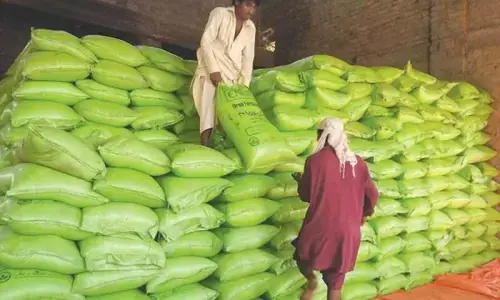
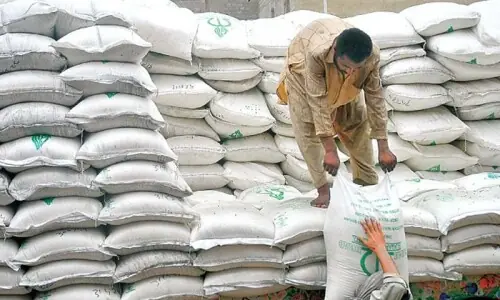
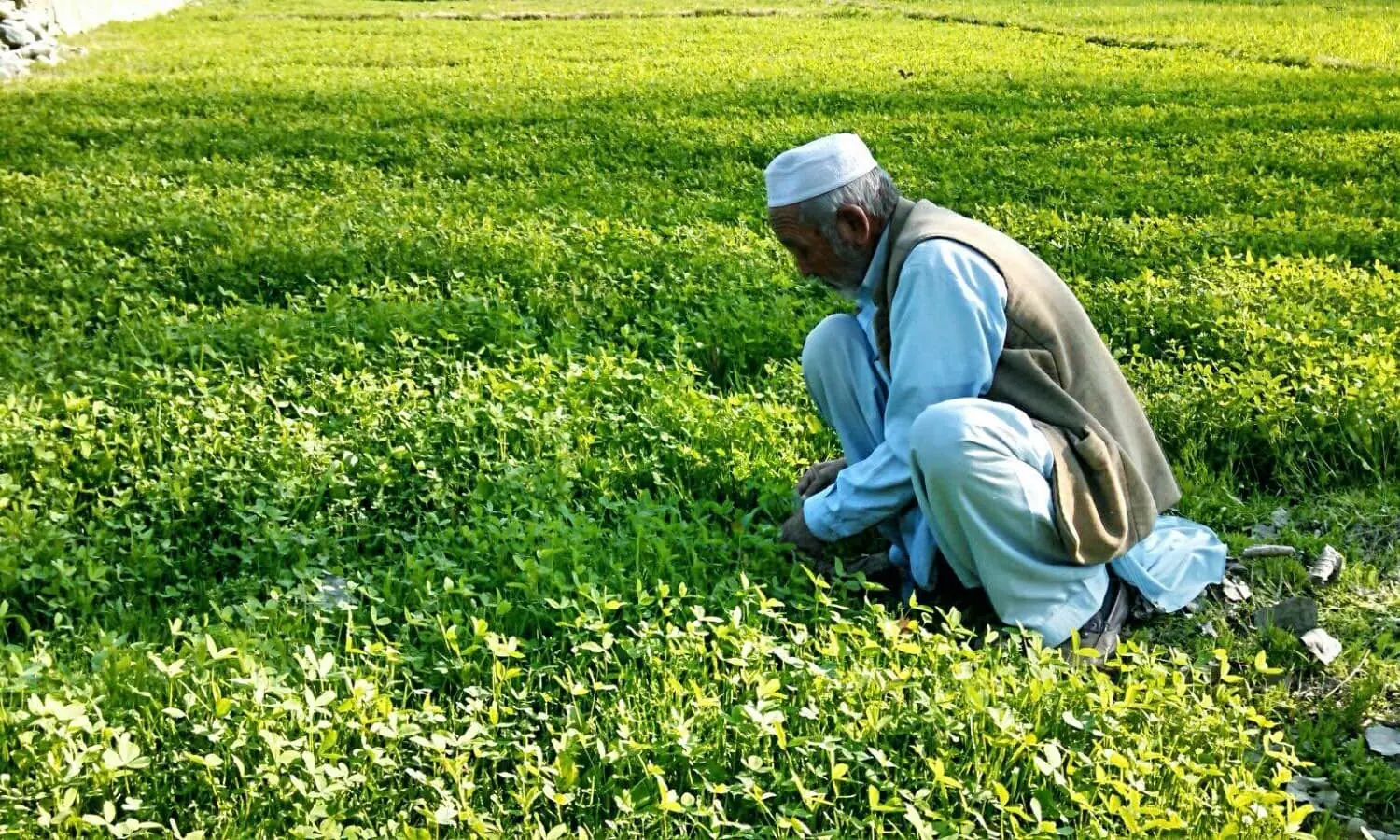
At the core of this resilience is Pakistan’s local fertiliser industry. By utilising domestic gas resources and established production infrastructure, local producers have maintained a continuous supply, protecting farmers from global price fluctuations. Currently, the industry holds approximately 0.9 million tonnes of urea in stock, sufficient to meet demand for the upcoming Kharif season, provided plant operations persist throughout the year.
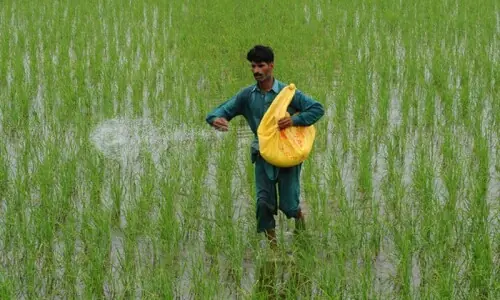
The stabilising function of domestic production goes beyond affordability. In farming systems, fertiliser use is closely linked to yield outcomes. Rising input costs often lead to reduced application, which in turn hampers crop productivity and fuels food inflation. By maintaining a stable price, the domestic fertiliser industry has effectively broken this inflationary cycle, protecting both farm economics and broader food security.
However, the situation presents a different challenge for Di-Ammonium Phosphate (DAP). Domestic DAP production remains structurally limited, estimated at around 0.7 million tonnes annually, mainly from a single manufacturing plant. Conversely, Pakistan’s total DAP requirement ranges from 1.3 million to 2.3m tonnes annually, making the country heavily reliant on imports.
This structural deficit renders Pakistan particularly vulnerable to extended disruptions in the Middle East. Any ongoing restrictions on global DAP supplies could cause sharp rises in international prices, potentially exceeding the volatility observed in urea markets. In this context, maintaining a continuous gas supply to the country’s only DAP production plant is crucial to reducing reliance on external sources.
The ongoing crisis, therefore, emphasises a key policy priority: domestic fertiliser production must be seen as a strategic asset rather than just a commercial activity. The capacity to produce and supply vital agricultural inputs locally has proven its value as a buffer against external shocks, helping to safeguard economic stability and food security.
“As global supply chains continue to face uncertainty, the lesson is clear. In times of international disruption, it is domestic industrial capacity that maintains agricultural continuity — keeping fields productive, markets stable, and food systems secure,” he says.
Published in Dawn, March 24th, 2026