Punjab Assembly body on home dept passes bill: Illegal gatherings in ‘high security zones’ to be punished with up to three-year RI
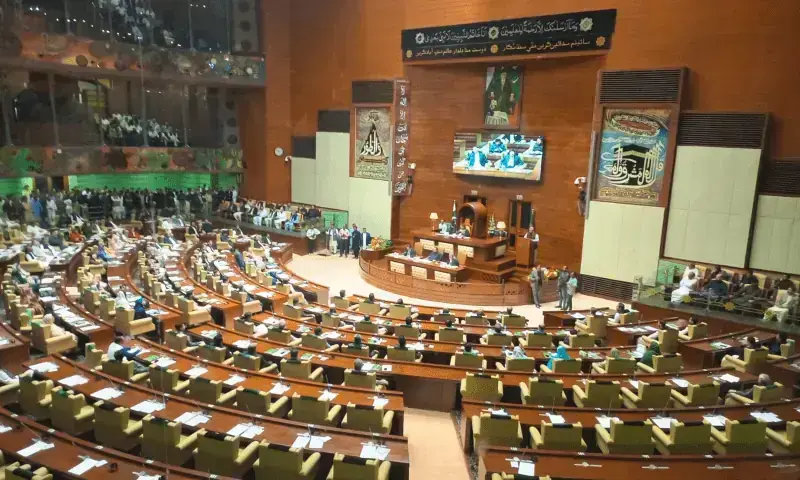
LAHORE: In a move to significantly tighten oversight, the Punjab Assembly’s Standing Committee on Home Department has passed two bills that would impose rigorous imprisonment of up to three years for unauthorised gatherings in “high security zones” and establish a powerful new commission to monitor the financially “beneficial ownership” of all trusts and cooperative societies.
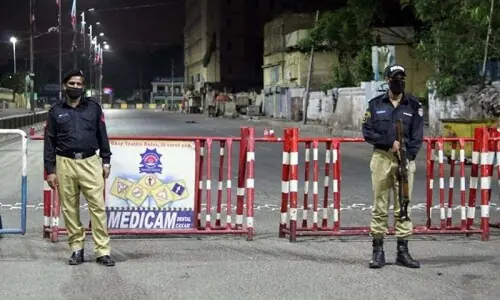
The Punjab High Security Zones (Establishment) Bill 2026 aims to regulate public rallies and protests to prevent “activities prejudicial to safety” and ensure smooth running of business.
Key provisions of the bill include ‘Zone Declarations’, under which the home secretary, on recommendations from district and provincial intelligence committees, will officially notify specific areas as “high security zones”.
Under the provision of ‘Strict Punishments’, participation in or facilitation of a public gathering within a high security zone carries a mandatory minimum sentence of one year of rigorous imprisonment (RI), extending up to three years, and fines up to Rs500,000.
Under the ‘Designated Areas’, protests will only be permitted in specific “designated areas” with written permission, requested at least 20 days in advance, to the deputy commissioner, who shall decide the case within five days of the receipt of the application in light of the recommendations of the district intelligence committee.
The DC’s decision may be challenged within two days before the divisional commissioner, who shall decide the issue in five days. If the aggrieved party is not satisfied with the commissioner’s decision, it may file a revision petition before the home secretary within three days of the decision. The secretary, or an officer authorised by him, shall decide the matter within five days of filing of the appeal.
Enforcement
Offences under this Act are categorised as cognisable and non-bailable, and police are authorised to seize vehicles, sound systems and stages used in violation of the law.
Those causing loss to public or private property by holding a gathering in a high security zone or none designated area, with or without the permission of the deputy commissioner, shall be liable to pay a fine equal to the loss caused, in addition to the penalties provided under the subsections of the law.
Simultaneously, the Punjab Waqf, Trusts and Cooperative Societies (Monitoring) Bill 2026 establishes a new commission to implement a “beneficial ownership regime”. This is designed to align provincial oversight with federal anti-money laundering (AML) and counter-terrorist financing (CFT) standards.
The commission to be led by the home secretary, will oversee the Auqaf, Cooperatives, and Revenue departments.
The commission has the authority to conduct special audits and inquiries into the funds of any waqf, trust or society; digitize all records to identify “ultimate beneficial owners”; recommend the cancellation of registration or the appointment of administrators if an entity is not fulfilling its stated purpose.
A specialised chief executive officer, having expertise in AML/CFT laws, will be appointed to manage day-to-day operations and monitor risk-based supervisory plans.
Both bills provide for appeal process. Under the process, citizens aggrieved by the Monitoring Commission’s orders can appeal to a government-constituted committee within 30 days.
For security zone matters, appeals against DC’s decision must be filed within two days to the divisional commissioner.
Rights activists see these legislative moves as a robust effort by the Punjab government to centralise control over public spaces and ensure financial transparency in the non-profit and cooperative entities.
Published in Dawn, March 12th, 2026