Govt to table SOE bills for IMF compliance
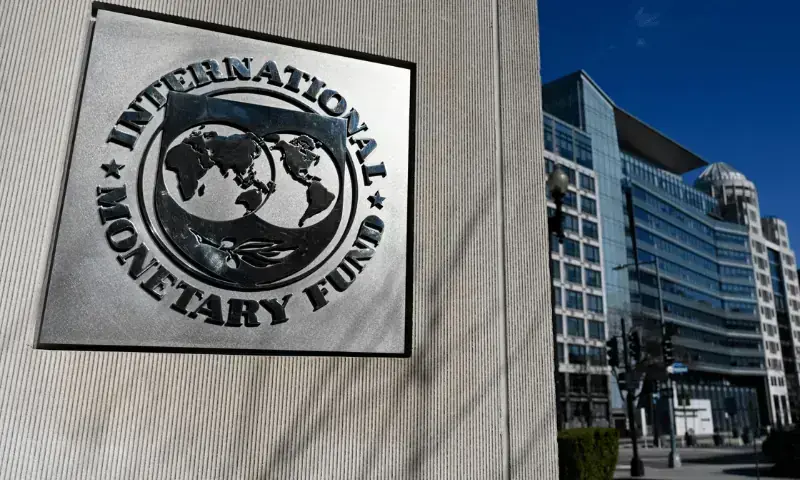


ISLAMABAD: At the last leg of talks, Pakistan has been compelled to introduce a series of bills to the parliament for bringing more than a dozen major State-Owned Entities (SOEs) under the coverage of standard statutory, fiduciary and governance compliance to meet deadlines and conclude a successful review with the International Monetary Fund (IMF).
At least two different sets of legislation would be presented to the National Assembly within days to meet a previously repeatedly missed structural benchmark with the IMF that has been reset for compliance by the end of the current month. Talks are expected to conclude on Wednesday.
Informed sources told Dawn that the authorities reported to an IMF mission that the austerity measures announced by the prime minister to address economic challenges caused by supply chain disruptions in the region would initially negatively affect revenue collection, already facing shortfalls, but would lead to positive outcomes with a delayed inflationary impact.
The net revenue impact would be positive. Coupled with the Federal Board of Revenue’s (FBR) enhanced recoveries from litigation and enforcement, there would be no need for further downward revision of the already slashed target.
Aims to meet structural benchmark by end of this month
The FBR is expected to meet the revised target, and even if there is a further slippage, it would be minimal. FBR Chairman Rashid Mehmood Langrial reportedly told the mission that there are reservations not only for the current year but also for next year’s target setting and revenue measures, especially if the government intends to reduce the tax burden on overburdened sectors.
These sources said that the power sector generally performed well in recoveries and circular debt management, but its sustainability remains questionable as some companies recovered more than 100pc of their billed amounts, perhaps indicating previous recoveries, which may not occur in the future.
Referring back to SOEs related legislation, sources said both legislations have been finalised with the active scrutiny of the IMF and its partner development multilaterals, which generally require independent boards and the withdrawal of government powers relating to the finances of these major SOEs, with minimal political interference.
One set of legislation pertains to major profitable SOEs under the so-called Pakistan Sovereign Wealth Fund (PSWF), mostly blue chips on the Pakistan Stock Exchange (PSX), including OGDCL, Pakistan Petroleum, Mari Petroleum, National Bank, Pakistan Development Fund, Govt Holdings Limited, and Neelum-Jhelum Hydropower project.
All these entities previously complied with the statutory standards and regulations of the SECP but were exempted after being included in the PSWF for intended investments from the UAE. The investments did not materialise, but their governance and statutory requirements remained obscure despite some of them being listed abroad and domestically, raising concerns from the IMF.
Another set of legislation covering separate entities such as Pakistan Broadcasting, National Shipping, Pakistan Post, and Pakistan Television, etc., is required to ensure their statutory reporting, similar to other corporate entities and governance standards, including a majority board of directors.
An IMF review mission, led by Ms Iva Petrova, has been engaging with Pakistani authorities since Feb 25 for the third review of Pakistan’s Extended Fund Facility (EFF) arrangement and the second review of the Resilience and Sustainability Facility (RSF). The talks moved online on March 3 after US and Israel illegally attacked Iran and are scheduled to conclude on Wednesday.
Due to the unpredictable geopolitical situation and resulting economic uncertainties, a significant portion of the discussions regarding next year’s budget will now be rescheduled to sometime in May, informed sources said.
Published in Dawn, March 11th, 2026