BAHAWALPUR: A research conducted at the Cholistan University of Veterinary and Animal Sciences (CUVAS), Bahawalpur, finds the presence of microplastics in two specimens of fish collected from Panjnad and Taunsa barrages and warned that these hazardous particles are being consumed by those eating the river fish in south Punjab.
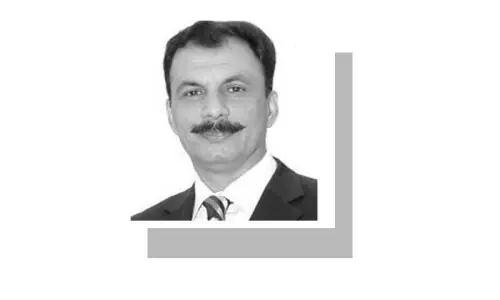
According to the researcher, Dr Qazi Adnan Ahmed, Assistant Professor at the Zoology Department, the microplastics are first consumed by Rohu and Malli fish and adds that,
“Now, we too eat microplastics when we consume these fish types.”
Microplastics are synthetic polymer particles smaller that 5mm, which contaminate ecosystem, food and water worldwide.
Researcher warns against human consumption of ‘contaminated’ fish
Dr Qazi told Dawn that for the past few years, he and his student Syed Muhammad Moeen have been conducting research on microplastics pollution in south Punjab’s rivers. During the research, he said, they collected Rohu(Wallago Attu) and Malli fish specimens, one each at Panjnad and Taunsa barrages.
On being tested in the lab, microplastics particles were found in the stomach, gills, and even in the muscle tissues of each specimen, that people actually eat, Dr Qazi says.
According to him, the worst case was of Malli fish collected from Taunsa Barrage. He says that an average 13.67 microplastics particles in the fish. He says these particles come from broken bottles, bags and other plastic waste dumped improperly.
He says that being carnivorous, Malli eat smaller fish, which have already consumed plastic, so the contamination keeps building up in their body.
Dr Qazi says that it was concerning that the Taunsa Barrage showed significantly higher microplastics contamination as compared to Panjnad.
“Water samples at Taunsa contained 0.202 plastic particles per square meter, while at Panjnad it was 0.154. This clearly indicates that Taunsa has become a hot spot for plastic pollution, probably due to upstream industrial discharge and population density.”
He says that this Pollution Risk Index showed that the river water contamination has reached the “dangerous Level V” in south Punjab, which is hazardous both for the environment and human health.
Dr Qazi observes that when people in Bahawalpur, Rahim Yar Khan and surrounding areas eat these fish regularly, they consume these microplastics and their toxic additives.
He recommends immediate action by Environment Protection Agency, Punjab, municipal authorities, and fisheries department to check plastic pollution in the region’s river water. Otherwise, he warns, our children will inherit rivers full of plastic and unhygienic fish.
Published in Dawn, March 3rd, 2026