Mummified cheetahs found in Saudi caves
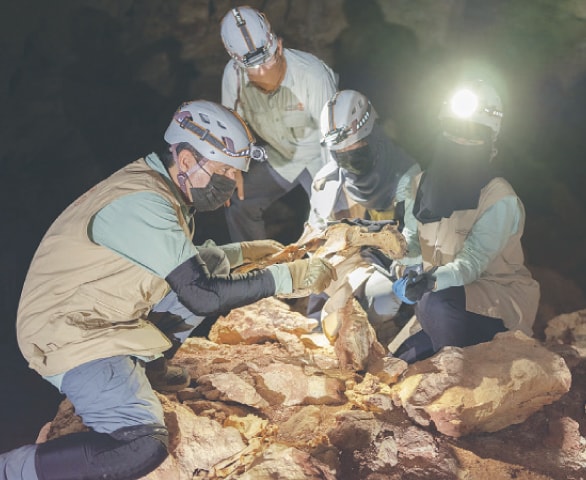
Scientists in northern Saudi Arabia have uncovered mummified cheetah remains dating from 130 to over 1,800 years ago. Excavations near Arar revealed seven mummies and the bones of 54 more cheetahs, preserved by the caves’ dry, stable conditions.
The finds offer rare insights into cheetahs that once roamed the Arabian Peninsula but are now absent due to habitat loss, hunting and dwindling prey. Genetic analysis shows the animals were closely related to modern cheetahs in Asia and northwest Africa, providing clues for possible future reintroduction efforts.
Man refines gold from electronic waste

A blogger in Guangdong, China, claimed to have refined 191.73 grams of gold, worth around $17,000, from SIM cards and other electronic components. He demonstrated the process in a video using strong acids and electrolytic reduction, drawing widespread attention online.
Experts clarified that ordinary SIM cards contain only trace amounts of gold, and that the blogger actually used gold-plated electronic waste from the communications industry. He said the video aimed to highlight recycling methods, not encourage amateurs. Authorities have warned that such processes are dangerous and environmentally risky.
Black pearl strawberries go viral in China

A rare dark-purple strawberry variety known as “Black pearl” is creating a food craze in China, with prices reaching $45 per pound. Grown mainly in Hangzhou and Qingdao, the berries are sweeter than regular strawberries but difficult to cultivate, resulting in low yields.
Their deep colour comes from high levels of anthocyanins, natural pigments and antioxidants also found in blueberries and purple cabbage. Social media hype has driven demand, though growers remain cautious due to cultivation challenges.
Beggar turns out to own homes and businesses
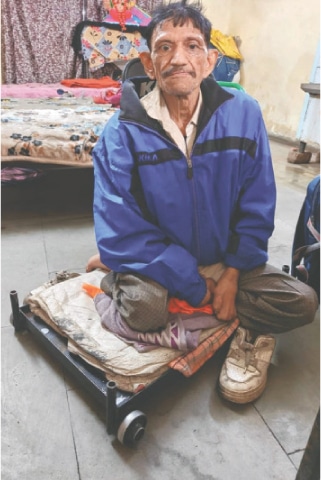
A physically disabled beggar in Indore, India, shocked authorities when it emerged that he was far wealthier than he appeared. Known as Mangilal, the 50-year-old man, affected by leprosy, spent his days begging in Sarafa Bazaar on a small wheeled platform.
After being rescued during a citywide anti-begging drive, officials discovered he earned thousands of rupees daily, lent money to shopkeepers and owned multiple properties, vehicles and businesses. Begging, investigators said, was more an investment strategy than a means of survival, with family members also involved.
Published in Dawn, Young World, February 28th, 2026