S. Arabia, Somalia ink defence agreement
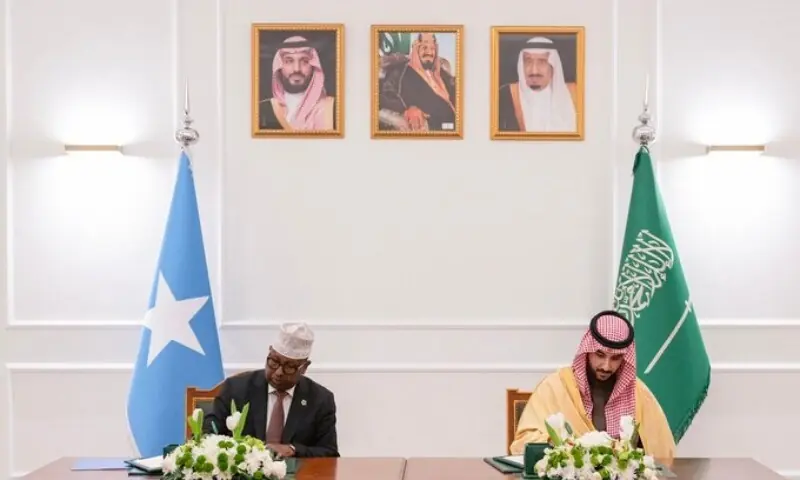

MOGADISHU: Somalia and Saudi Arabia signed a defence agreement, as the Horn of Africa becomes an arena for proxy wars between Gulf monarchies, with Abu Dhabi at loggerheads with Riyadh.
The region, strategically located between the Indian Ocean and the Suez Canal on one of the world’s busiest trade routes, has increasingly attracted the interest of the Gulf states.
The agreement comes a month and a half after Israel recognised Somaliland, a self-proclaimed republic that seceded from Somalia in 1991 but which Mogadishu still considers to be under its control.
Somali Defence Minister Ahmed Moallim Fiqi and his Saudi counterpart, Prince Khalid Bin Salman, signed a “military cooperation agreement” on Monday, according to a message on X from the Somali defence ministry.
“This agreement further strengthens defence and military cooperation between the two nations, while covering various areas of mutual interest for both countries,” it said.
In a separate post on X, Prince Khalid Bin Salman said he had “signed and witnessed the signing” of “several” agreements on the sidelines of a military exhibition in Riyadh. He did not provide further details.
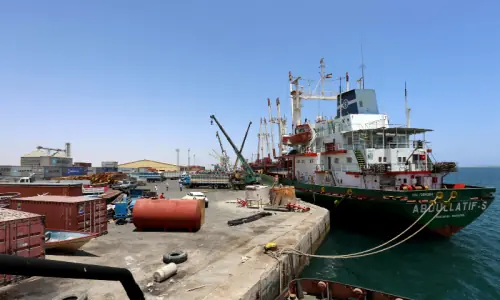
Meanwhile, in Somaliland, the Emirati giant DP World has invested hundreds of millions of dollars in developing the deep-water port of Berbera, which it uses with little regard for the government in Mogadishu. This port includes an airport strictly controlled by Abu Dhabi, according to several witnesses and local sources. Saudi Arabia, once a staunch ally of Abu Dhabi, is now a vocal critic of the UAE, particularly on the Sudanese and Yemeni issues.
Published in Dawn, February 10th, 2026