Jamaat chief sets sights on premiership after Bangladesh polls
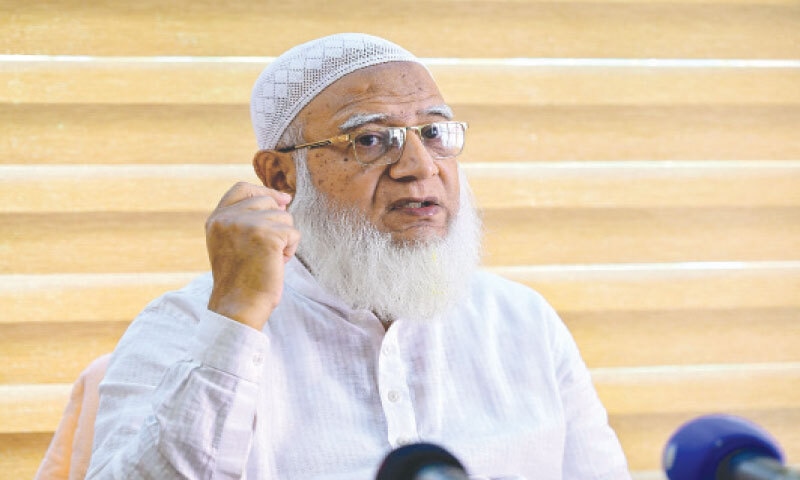

DHAKA: Shafiqur Rahman, the leader of Bangladesh’s largest religious party and prime ministerial hopeful, has contested three elections and lost.
This time, he hopes to finally win.
Voters will head to the polls on Thursday (Feb 12) for the first time since a 2024 uprising toppled Sheikh Hasina, who in her 15 years as prime minister suppressed religious parties.
Rahman, a 67-year-old doctor and preacher, hopes his 11-party alliance could deliver him victory, worrying critics and minorities who fear a Jamaat win could come at their expense.
“I stand for moral renewal in society,” Rahman vowed in election promises.
If successful, the former political prisoner could form the first Jamaat-led government in constitutionally secular Bangladesh.
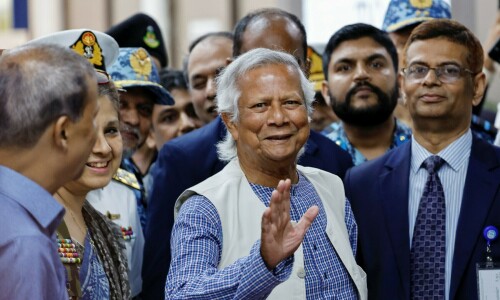
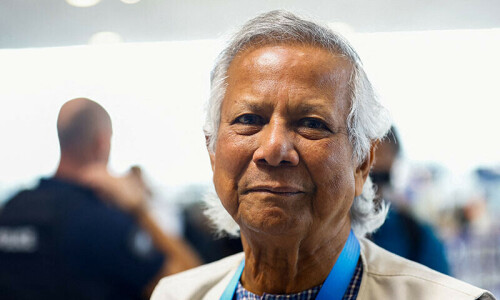
Dressed entirely in white, including a flowing white beard, he cuts a distinctive figure on the campaign trail where his party has put forward only male candidates.
“Good governance is the foundation of stability, peace and prosperity,” he said, pledging rule-based and corruption-free leadership.
Ex-prime minister Hasina, who is close to India’s ruling Bharatiya Janata Party, went after religious parties and cracked down on extremists, killing scores and arresting hundreds.
Since her fall, key leaders of parties like the Jamaat have been released from prison.
‘Locks’ and brooms
Born in 1958 in the northeastern district of Moulvibazar, Rahman has been a long-time party activist, running first for parliament in 1996, then again in 2001 and 2018.
His wife, Ameena Shafiq, is also a doctor, who was selected for one of the seats in parliament reserved for women in 2018.
Their two daughters and son are also doctors.
As party member and then leader, Rahman’s determined push for power has sparked concern.
Bangladesh has long been led by powerful women, including Hasina and her long-time rival, the late three-time prime minister Khaleda Zia.
Comments Shafiqur Rahman made last year about women’s employment, saying he wanted to encourage stay-at-home mothers, provoked a backlash.
“We don’t want to lock women at home we don’t have enough money to buy the locks,” he said at a rally.
Last month, broom-waving women in Dhaka marched on the streets to symbolically “sweep” him away after a social media post from Rahman had argued women being “pushed out of home in the name of modernity” was “nothing but another form of prostitution”.
Published in Dawn, February 7th, 2026