Prolonged delay in Torghar DHQ Hospital project resented


 0
0
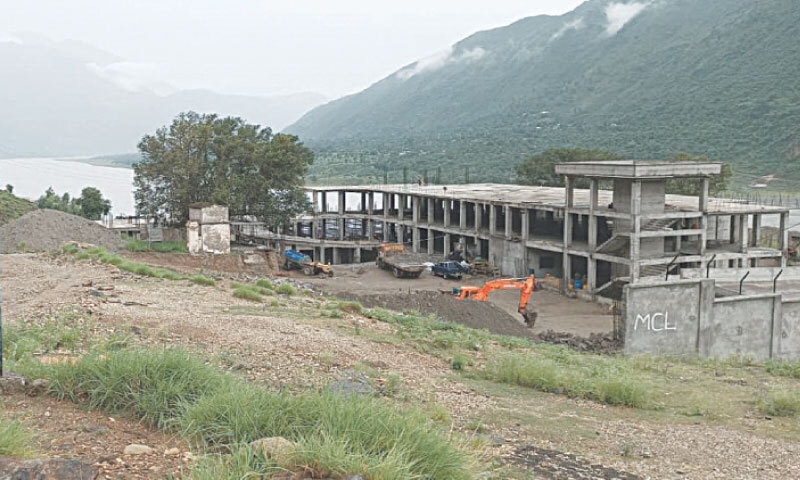
MANSEHRA: Residents and local body representatives on Sunday demanded of the government to provide adequate healthcare facilities to the people of Torghar, citing the absence of functional medical infrastructure in the district.
“Would you believe that people sometimes die while being taken to health facilities in other parts of Hazara because the construction of District Headquarters Hospital has remained incomplete for almost the last 10 years,” Mohammad Khan, tehsil chairman Judbah, told reporters.
Flanked by other local government representatives and residents, he said a basic health unit at the district headquarters, Judbah, was shifted to a two-room tehsil municipal administration facility from a 10-room rented building, further compounding the miseries of patients.
“We have no obstetric facilities across the district as all BHUs shut down after 2am and patients, particularly women with complicated labour cases, are forced to travel to Mansehra and Abbottabad districts,” he said.
The tehsil chairman said the foundation stone of the DHQ Hospital was laid in 2016, but the project has yet to be completed and could take at least another five years.
He appreciated the efforts of Sungi Development Foundation, which, he said, in collaboration with Pakistan Poverty Alleviation Fund, provided a contingency plan to deliver healthcare services to the thousands of male and female patients in the district.
“Besides raising awareness among locals about health issues, Sungi organised medical camps, providing free medicines, treatment and preventive care to patients, including women and children, and solarised basic health units, offering a lifeline to patients of remote areas at their doorstep,” Mr Khan said.
He added that while non-governmental organisations could take temporary measures to improve healthcare delivery, it was ultimately the government’s responsibility to ensure sustainable and effective services in the district.
Hafiz Fazl Amin, chairman of Sorband Bassikhel village council, said the tribal status of Torghar was changed to a settled district through presidential orders in 2011, but the people were still deprived of roads, health, education and other basic infrastructure since then.
“If our problems are not resolved, we would take to the streets,” he said.
Published in Dawn, February 2nd, 2026