Industrialists, exporters welcome relief package
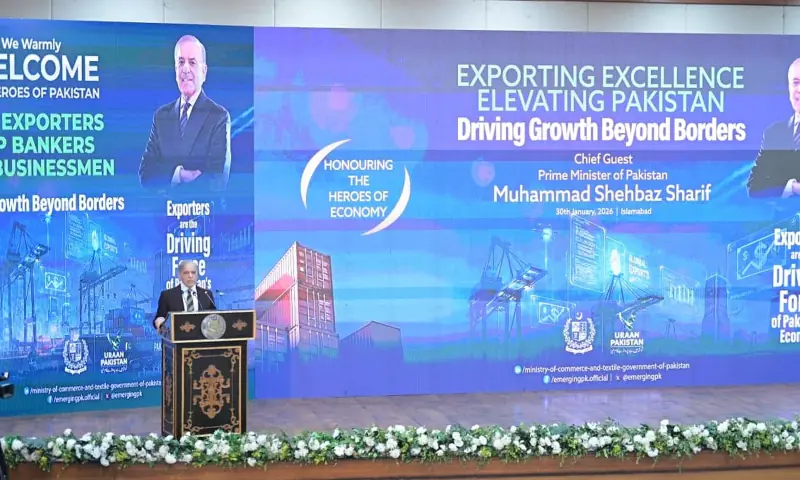
KARACHI: As local industry and exporters welcomed Prime Minister Shehbaz Sharif’s relief package, foreign investors complained that the Federal Board of Revenue (FBR) had issued demand notices requiring payment by Jan 30, 2026, following the Federal Constitutional Court’s decision on the legitimacy of the super tax.
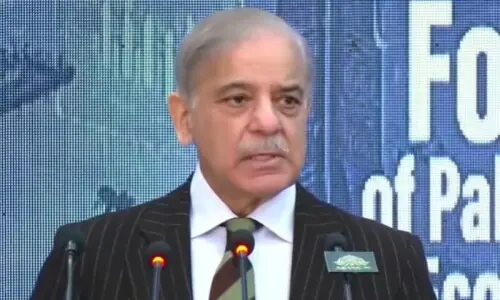
The prime minister on Friday announced a cut of Rs4.04 per unit in electricity tariffs, wheeling charges of less than Rs9 per kWh for industry, a reduction in the export refinance scheme rate to 4.5 per cent from 7.5pc and the issuance of “blue passports” for leading exporters for two years.
Overseas Investors Chamber of Commerce and Industry (OICCI) Secretary General and Chief Executive M. Abdul Aleem asked the FBR chairman to allow adequate time for compliance, given the immediate nature of the demand and its significant financial and administrative implications for taxpayers.
By proposing an amicable and business-friendly way forward, he said that in all cases where a tax demand is pending on account of the super tax levy, and the taxpayer also has a pending tax refund, the demand may be adjusted against the outstanding refunds to the extent available. Thereafter, only the remaining balance, if any, should be demanded from that taxpayer.
OICCI urges FBR to allow time, adjust super tax demands against refunds
On the prime minister’s relief package, Mr Aleem said the premier had taken a “bold step” to mitigate some hardships of the industry and exporters despite fiscal pressure on the economy.
Pakistan Hosiery Manufacturers and Exporters Association Central Chairman Muhammad Babar Khan, Chairman (North) Abdul Hameed and Chairman (South) Faisal Arshad Sheikh urged the government to ensure immediate implementation of the announced measures and to maintain close consultation with stakeholders to support long-term sustainability and global competitiveness.
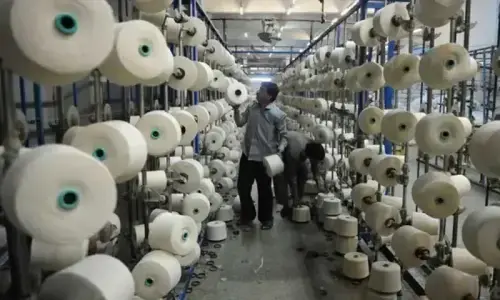
They said the reduction of the export refinance rate and electricity tariff is a timely and much-needed intervention for export-oriented industries, which would significantly ease the cost pressures faced by exporters, particularly the textile and hosiery sector, already struggling with high energy, financing costs and severe liquidity crunch in an increasingly competitive global market.
Korangi Association of Trade and Industry President Muhammad Ikram Rajput said the measures announced by the prime minister would play a vital role in economic recovery and lead to a reduction in production costs, promotion of industrial activities and an increase in exports.
He said a cut in power tariff and export refinance scheme rate would provide effective financing support to the industry and exporters.
Published in Dawn, January 31st, 2026