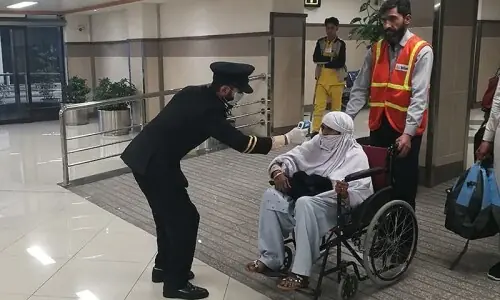
PAKISTAN’S decision to heighten surveillance at all entry points in response to the confirmed Nipah virus cases in India is a prudent one. It reflects the authorities’ understanding of the seriousness of the virus and their aim to act without feeding unnecessary alarm.
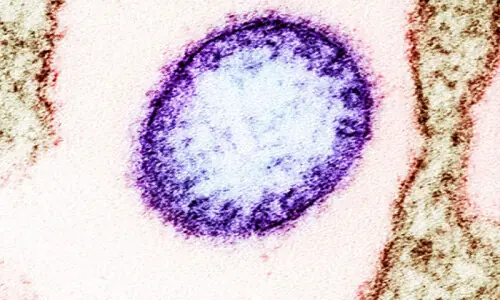
This balance must be carefully maintained. Nipah is not an unfamiliar threat. Since its identification in the late 1990s, outbreaks have appeared intermittently across South and Southeast Asia, usually contained but often deadly. With a fatality rate that can exceed 70pc and with no approved vaccine or cure, the WHO has rightly classified it as a priority pathogen.
These facts alone justify vigilance. But they do not justify panic. Health authorities and experts agree that the immediate risk to Pakistan remains minimal. The current outbreak in India is localised, with limited confirmed cases. Transmission dynamics, too, remain relatively constrained. Nipah does not spread as easily as airborne viruses such as Covid-19 or influenza. The virus spreads between people through direct exposure to bodily fluids such as saliva, respiratory secretions, or blood, which is why outbreaks usually remain limited to specific settings.
That said, infectious diseases do not respect borders, and our porous frontiers, high population density and uneven health infrastructure make preparedness essential. The Border Health Services’ advisory mandating 100pc screening, verification of 21-day travel histories, thermal checks and immediate isolation of suspected cases is a necessary first line of defence.
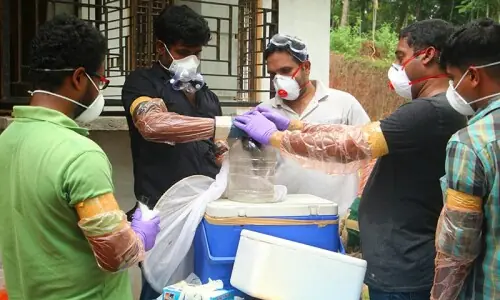
However, airport screening alone is not a foolproof shield. As experts have pointed out, the incubation period — often up to two weeks — means infected travellers may show no symptoms on arrival. Surveillance must therefore extend beyond entry points. Provincial health departments should ensure designated tertiary hospitals are ready, isolation facilities are functional, and laboratory staff is trained in safe sample handling. Rural areas, where human-animal contact is more common and health access weaker, deserve particular attention.
Public communication is equally important. Authorities must resist sensationalism while providing clear, factual guidance. Citizens should be informed about basic precautions — avoiding close contact with sick individuals, practising hand hygiene, and reporting symptoms early. Calm preparedness, coordinated planning and transparent communication offer the best defence against a virus that is dangerous, but not uncontrollable.
Published in Dawn, January 30th, 2026