PAKISTAN enters 2026 with problems it is well aware of but has failed to resolve. Three alarm bells in particular are sounding off: resurgent terrorism, economic fragility, and a steady squeeze on fundamental rights.
None of these is new. What is new is the growing sense that the state is treating each as a problem to be managed, not solved, and that habit is becoming unaffordable.
Terrorism remains the most immediate danger. Suicide bombings on police and security installations in Bannu and North Waziristan, the deadly blast near Islamabad’s district courts, and continuing violence in Balochistan demonstrated the capacity of terrorist networks. These incidents showed how violence is no longer geographically contained, nor confined to symbolic targets.
Yet our counterterrorism efforts value force rather than reform. Policing capacity, prosecution, local governance and political engagement in conflict-affected districts remain weak. Unless these gaps are addressed, 2026 risks becoming another year in which attacks are condemned, investigations announced and root causes ignored.
The economy presents a slower-burning crisis. The sale of a majority stake in PIA was hailed as a major breakthrough after decades of delay. It also highlighted how rare decisive action has become. One transaction, however, cannot substitute for the harder work of broadening the tax net, fixing other loss-making state enterprises, and building credibility through predictable policy. Without that, 2026 risks repeating the cycle of short-term fixes, periodic external support, and long stretches of stagnation.
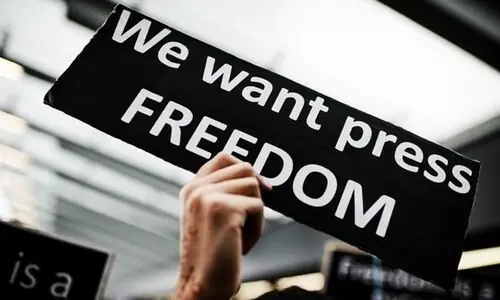
The more corrosive issue is the steady narrowing of civic space. Over the past year, prolonged internet shutdowns, restrictions on public assembly, pressure on journalists, and legal action against dissenting voices became routine. Media outlets faced censorship, digital platforms were blocked, and human rights organisations reported intimidation and administrative obstruction.
Such measures may silence criticism, but they also weaken accountability and deepen public mistrust, especially among younger citizens already sceptical of political institutions. A state that relies on control rather than consent reduces its own capacity to govern and invites the very instability it claims to prevent.
Institutions will therefore matter greatly in 2026. Parliament must reclaim its role as a forum for debate where laws are scrutinised before enforcement, not justified after the fact, and committees are allowed to function without pressure or haste. The judiciary must demonstrate consistency and independence, not selective urgency, by upholding due process without fear or favour.
Economic decisions need clarity, consistency and equal application if confidence is to return. Security policy, meanwhile, must rest on civilian authority rather than a permanent sense of emergency. And the executive must accept that order imposed through coercion is fragile and short-lived. The country has tried control time and again. It should now try governance.
Published in Dawn, January 1st, 2026