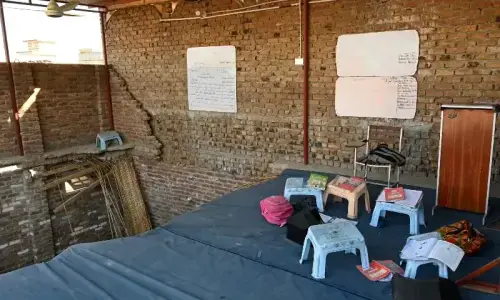
A FINANCIAL Times investigation into southern Lebanon shows how Israel’s brutal military campaign has torn civilian life apart. Nearly 85,000 housing units have been damaged or wrecked, at least 2,500km of water infrastructure has been hit, every bridge over the Litani has been rendered unusable, and more than a fifth of the south’s farmland and forests has been devastated. Schools, medical facilities and energy systems lie wrecked. Most disturbing is the finding that much of this destruction took place after Israeli forces had established control over emptied villages. Israel claims it is dismantling Hezbollah infrastructure and protecting its northern communities. But destroying the systems that make civilian life possible — water, healthcare, roads, farms and homes — raises the question: is the objective security, or making return impossible? The pattern is all too familiar. Gaza has seen neighbourhoods flattened and its water, health, education and agricultural systems shattered. In occupied West Bank, demolitions and settler violence continue to drive Palestinians from their homes and land.
The world cannot keep documenting this destruction after the fact and calling that accountability. Israel cites security concerns but no security claim can become a licence to make civilian areas uninhabitable. The US and Europe should attach real conditions to military support, suspend arms transfers where there is a risk of unlawful use, and impose targeted sanctions on officials implicated in unlawful destruction or forced displacement. International courts and UN investigators must be allowed to work without obstruction. Above all, Israel’s allies must stop treating international law as something to invoke for adversaries and negotiate around for friends. Southern Lebanon should not become another Gaza: a place where the world debates proportionality only after towns have been erased. It must serve as a warning that impunity, left unchecked, becomes policy. With each unpunished precedent, the next devastated community becomes easier to create.
Published in Dawn, August 17th, 2026