Home powered with 1,000 laptop batteries
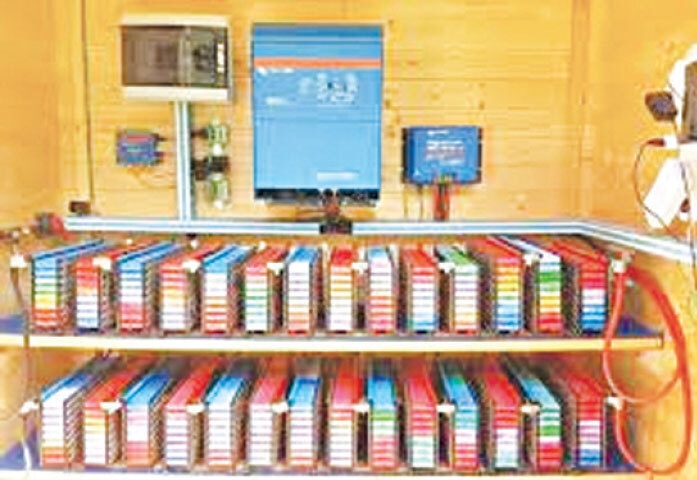
A DIY enthusiast has been running his entire household with a setup of solar panels and more than 1,000 used laptop batteries. The project began nine years ago on an internet forum and grew into a sustainable energy and battery recycling achievement.
Glubux collected laptop batteries and connected them to solar panels, eventually installing them in a warehouse near his home. Early challenges with uneven battery discharge led him to rebuild the cells into custom racks. His system has run continuously for eight years without a single cell failing.
Over time, his energy capacity increased from 7 kWh to 56 kWh, impressing DIYers with its efficiency and eco-friendly approach.
Ice batteries slash energy costs
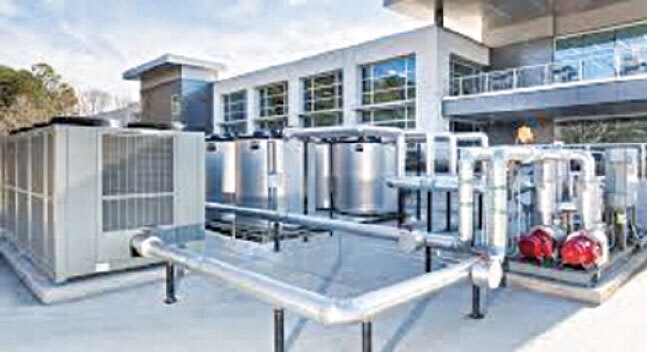
Norton Audubon Hospital in Kentucky now uses 27 ice tanks to freeze around 280,000 litres of water each night, replacing a conventional air-conditioning system.
The ice melts during the day, chilling water in pipes to cool operating rooms while reducing electricity demand and easing grid pressure. Ice thermal energy storage, or ice batteries, is gaining use in commercial buildings and schools. The hospital saved nearly US$4 million since 2016 through the system and other energy-saving measures.
Experts say ice batteries are safer than lithium alternatives for healthcare and senior facilities and can store excess renewable energy.
A new pill could extend human life to 150

Lonvi Biosciences, a Shenzhen startup, has announced a pill targeting “zombie cells” that could theoretically extend human life up to 150 years.
The drug, based on procyanidin C1 from grape seeds, has shown promising results in mice, increasing lifespan by 9.4 percent overall and 64.2 percent from the start of treatment. Lonvi executives say it could reduce age-related diseases and strengthen cellular health, sparking growing interest in longevity research in China.
Volunteer accidentally ruins artwork
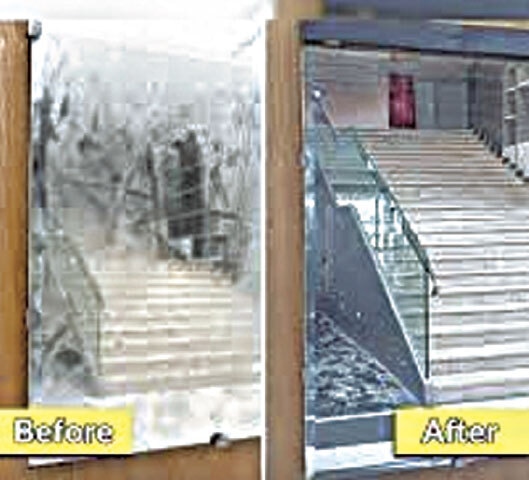
A Taiwanese museum apologised after a volunteer cleaned an artwork, thinking it was a dirty mirror. At the Keelung Museum of Art, the piece titled Inverted Syntax 16 — a dust-covered mirror on a wooden board representing middle-class cultural awareness — was damaged when the volunteer wiped it with toilet paper.
The 40-year layer of dust was part of the art, but its significance wasn’t recognised. Deputy Director Cheng Ting-ching said emergency talks were held and compensation for the artist is being discussed.
Similar incidents have happened before, including a technician discarding an artwork of crushed cans, mistaking them for trash.
Published in Dawn, Young World, December 27th, 2025