12
12

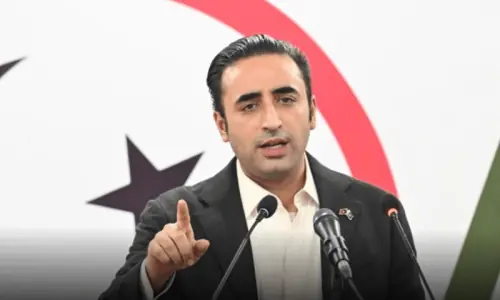
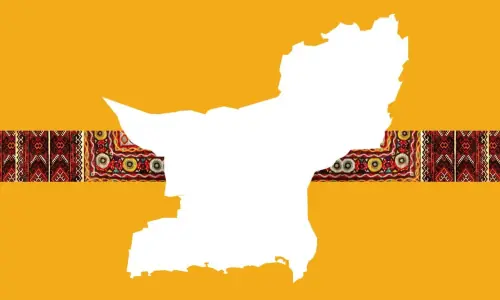
PPP CHAIRMAN Bilawal Bhutto-Zardari’s call to prioritise new provinces where there is already a consensus appears to be a response to the widespread speculation that certain powerful quarters are thinking about dividing the existing ones into multiple administrative units. These rumours have gained traction following claims by MQM-P leaders that the PML-N intends to introduce another constitutional amendment aimed at empowering local governments. That suggestion has triggered a wider debate, fuelled largely by political anxieties, over the possibility of creating smaller provinces across the country, especially a Karachi province.
Speaking to the media recently, Mr Bhutto-Zardari pointed to a Punjab Assembly resolution calling for a South Punjab province, noting that there is also cross-party agreement in the National Assembly on aspects of the matter. He argued that the consensus achieved on a South Punjab province should first be focused on before moving forward. “Before talking about 20 new provinces, let’s start where everyone already agrees,” he said. Yet he appeared to rule out the possibility of that happening soon.
The demand for multiple smaller provinces is not new; it stems from public frustration with the unwillingness of the existing provinces to establish effective LG systems that can address citizens’ problems. This is in spite of constitutional directives to create LGs and devolve political, administrative and financial power to them. Rhetoric aside, there seems to be an unspoken consensus among political parties that LGs must remain weak and ineffective. Meanwhile, the PPP chairman’s contention that Sindh’s LG structure is more robust than the newly passed LG law in Punjab may represent an accurate comparison between the two provinces, but it does not mean that the system of local governance in Sindh is very effective, or that it reflects the true spirit of the relevant constitutional provision.
However, it must be stressed that the division of provinces as smaller administrative units will not solve our governance woes; and may, in fact, exacerbate the problem. Not just that. Changing the historical boundaries of the federating units, when there is no credible demand for it, except for some calls for a South Punjab and a Hazara province, can be politically explosive. The solution to public problems and poor service delivery lies in strengthening local democracy by devolving powers to LGs as the Constitution requires.
That said, no matter how misplaced the present focus on creating new provinces for administrative efficiency is, any credible and popular demand for further units that comes from the people should not be dismissed. Such proposals must be debated and the will of the people determined before they are put before the legislature, as constitutionally required, to ascertain the level of consensus.
Published in Dawn, December 12th, 2025