Section 144 extended in Rawalpindi for 7 days in view of ‘imminent threat’
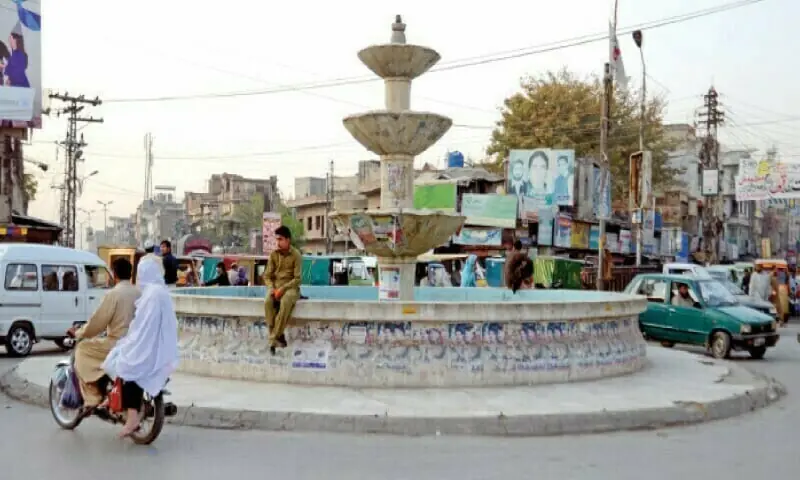
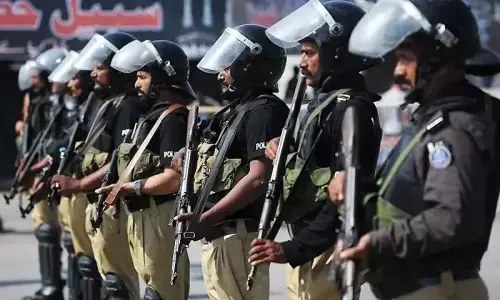
Authorities extended Section 144 in Rawalpindi on Thursday until December 17, prohibiting public assemblies and gatherings as well as carrying of arms, to maintain security in the province in view of an “imminent threat”.
Section 144 of the Criminal Procedure Code is a legal provision that empowers district administrations to prohibit an assembly of four or more people in an area for a limited period. It was imposed in Rawalpindi on Dec 1 and was in effect until yesterday (Wednesday).
An order by Rawalpindi Deputy Commissioner (DC) Hassan Waqar Cheema stated today that in a meeting on Tuesday, the District Intelligence Committee (DIC) had brought to attention an “imminent threat” in the district, “particularly surrounding sensitive installations, prominent roads and other critical infrastructures, which may pose a serious risk to human life, public property, and the overall peace and order of the district”.
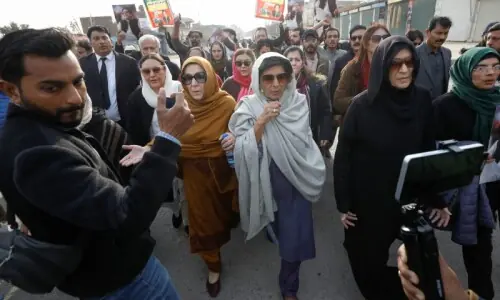
In particular, it said, the DIC reported specific intelligence suggesting that “certain groups and elements are actively mobilising with intentions to disturb the law and order situation through large gatherings, protests, and disruptive assemblies”.
The forum also indicated that the elements may target “soft locations” and mobilise individuals with the “potential to engage in violent actions”, the order added.
“In view of the facts stated above, it is essential to ensure security of the people and installations/buildings against any potential threat or untoward activity, in the larger interest of public safety, security, peace and tranquillity, and to avoid any untoward incident,” it said.
Under sub-section (1)(6) of Section 144 of the Code of Criminal Procedure (CrPC) (Punjab Amendment) Act, 2024, the order issued by Cheema prohibited “all kinds of assemblies, gatherings, sit-ins, rallies, processions, demonstrations, jalsas, dharnas, protests and such like other activities” of five or more individuals.
It also prohibited the carrying of any instrument “that could potentially be used for violence”, including weapons, spikes, laden batons, petrol bombs or improvised explosives. It further prohibited the display of arms, exempting those carried by law enforcement agents.
Additionally, pillion riding, use of loudspeakers and “objectionable” speeches or those inciting hatred are banned. It is also prohibited to attempt to restrict any police-imposed restriction to regulate assemblies of people or movement of traffic.
The order takes effect today and is expected to last for seven days, ending on Dec 17. Any legal actions incurred for offences during the week are to be continued after the expiry of the order.