Indian delegation pulls out of Oxford Union debate in ‘collective retreat’, Pakistan’s UK mission says


 22
22

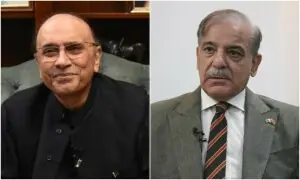
A high-profile debate at the Oxford Union that was scheduled to feature senior figures from Pakistan and India was cancelled after the Indian delegation withdrew at the last minute, prompting strong reactions from Pakistan’s High Commission in London and triggering speculations about why India pulled out last minute.
According to statements issued by the High Commission, the debate centred on the motion “This House Believes India’s Policy Towards Pakistan is a Populist Strategy Sold as Security Policy” had been confirmed weeks in advance. It is scheduled for 12:30am PKT.
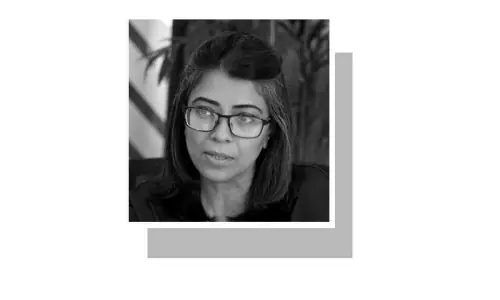
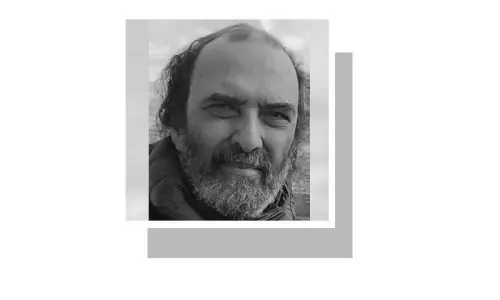
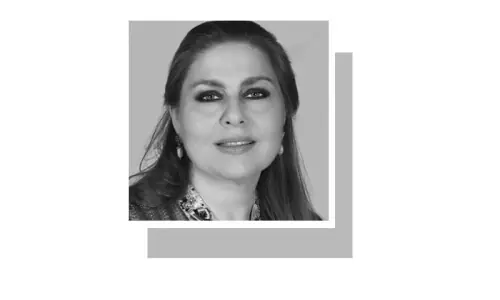
Pakistan’s delegation, comprising former Joint Chiefs of Staff Committee chairman Lt Gen (R) Zubair Mahmood Hayat, former foreign minister Hina Rabbani Khar and former diplomat Dr Mohammad Faisal, was already in London for the event.
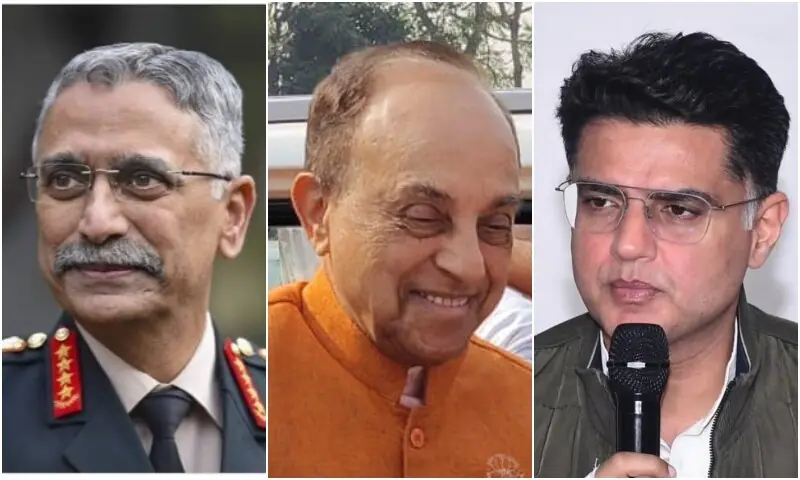
The High Commission claimed that India’s originally announced speakers, General M.M. Naravane, Dr Subramanian Swamy and politician Sachin Pilot, “withdrew at the eleventh hour”, leaving the event without its opposing panel.
It further alleged that India later proposed “obscure and low-profile replacements” that did not match the level of the Pakistani delegation and “undermined the credibility and balance of the debate.”
“The collective retreat of the Indian delegation amounted to an unchallenged victory for Pakistan,” the High Commission stated, adding that India’s withdrawal “exposed the weakness of its narrative on a neutral academic platform”.
Sources familiar with the matter told Dawn that the last-minute shift was “very bizarre”, noting that such debates were typically finalised far in advance and that delegations typically agreed knowing who they were debating.
While the High Commission criticised what it described as India’s reluctance to face open questioning, many on social media questioned the reason behind India’s withdrawal, speculating that it may have been pressure from the Indian government on the panellists.