New study shows adolescence lasts into your 30s
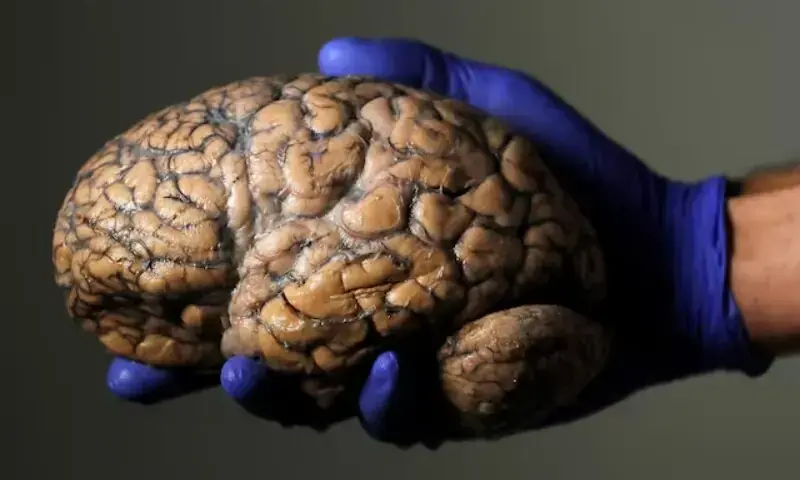
RESEARCHERS at the University of Cambridge have found that the brain goes through five distinct phases in life, with key turning points at ages nine, 32, 66 and 83, BBC News reported.
Around 4,000 people up to the age of 90 had scans to reveal the connections between their brain cells.
The study showed that the brain stays in the adolescent phase until our early thirties, when we “peak”. The results could help us understand why the risk of mental health disorders and dementia varies through life.
The brain is constantly changing in response to new knowledge and experience — but the research shows this is not one smooth pattern from birth to death.
Instead, these are the five brain phases: childhood — from birth to age nine; adolescence — from nine to 32; adulthood — from 32 to 66; early ageing — from 66 to 83; and, late ageing — from 83 onwards.
“The brain rewires across the lifespan. It’s always strengthening and weakening connections and it’s not one steady pattern - there are fluctuations and phases of brain rewiring,” Dr Alexa Mousley told the BBC.
Some people will reach these landmarks earlier or later than others — but the researchers said it was striking how clearly these ages stood out in the data.
These patterns have only now been revealed due to the quantity of brain scans available in the study, which was published in the journal Nature Communications.
The study did not look at men and women separately, but there will be questions such as the impact of menopause.
Duncan Astle, professor of neuroinformatics at the University of Cambridge, said: “Many neurodevelopmental, mental health and neurological conditions are linked to the way the brain is wired. Indeed, differences in brain wiring predict difficulties with attention, language, memory, and a whole host of different behaviours.”
Prof Tara Spires-Jones, director of the centre for brain sciences at the University of Edinburgh, said: “This is a very cool study highlighting how much our brains change over our lifetimes.”
She said the results “fit well” with our understanding of brain ageing, but cautioned “not everyone will experience these network changes at exactly the same ages”.
Published in Dawn, November 26th, 2025