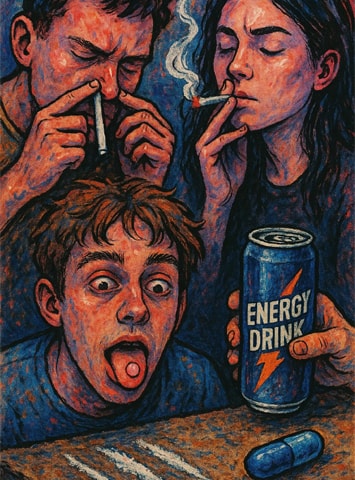
THE rising abuse of an anticonvulsant medication in the market is destroying the lives of the country’s youth. The drug, whose generic name is pregabalin and which is available under different brand names, decreases the number of pain signals that are sent out by damaged nerves in the body. Young individuals, even including teenagers, across the country are using it mixed with so-called energy drinks or soft drinks. They buy it over-the-counter (OTC) without any prescription, and mix it with caffeinated and carbonated drinks to intensify tthe effect and to have a strong kick. What begins as experimentation, often influenced by peer pressure or the desire for a cheap ‘high’, quickly spirals into severe addiction.
The misuse of these and other such drugs should serve as a wake-up call. These medications, meant to treat legitimate medical conditions, like epilepsy and neuropathic pain, are being treated as recreational drugs. The consequences are devastating — respiratory depression, overdose, addiction and, in worst cases, death.
What should trouble us the most is how accessible these dangerous substances have become. Any young person can walk into a pharmacy and buy them without a prescription or proper supervision. Pharmacies, either due to negligence or profit motives, are selling these controlled medications as if they were ordinary painkillers. Meanwhile, our youth remain unaware of the severe health risks they are taking.
Parents, teachers and community leaders must urgently educate society about this menace. We need to look for warning signs among our young. Unusual drowsiness, slurred speech, mood swings, declining academic performance, and withdrawal from family activities could indicate that a young person is trapped in this dangerous addiction.
The Drug Regulatory Authority of Pakistan (Drap) and provincial health departments must immediately declare all such drugs as controlled substances, and impose strict prescription require- ments through proper record-keeping at pharmacies. The pharmacists should exercise their professional responsibility, and stop selling these medications without valid prescriptions. Parents must stay vigilant and maintain open communication with their children. Educational institutions must organise awareness sessions about drug abuse, including misuse of prescription drugs. Media can help spread awareness about the crisis through dedicated campaigns and programmes. Finally, law-enforcement agencies should strengthen monitoring of pharmacies and take strict action against those violating regulations. This is not just a health crisis; it is a social emergency that threatens our future generation.
Muhammad Faizan
Karachi
Published in Dawn, November 23rd, 2025