Caucus on Child Rights calls for urgent polio legislation, awareness
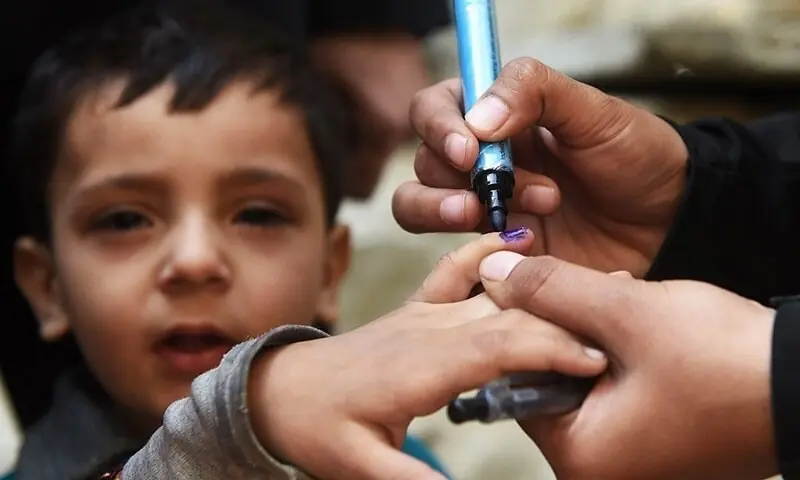
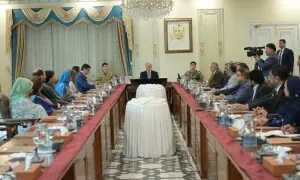
ISLAMABAD: The Parliamentary Caucus on Child Rights of the National Assembly convened a meeting titled “Polio-Free Pakistan: A Legislative Priority” here on Wednesday.
The meeting was chaired by the convenor of PCCR, MNA Dr Nikhat Shakeel Khan, and attended by parliamentarians’ secretaries, representatives from health and finance departments.
Dr Nikhat Shakeel Khan underscored the urgent need for robust legislative measures to eradicate Wild Polio Virus (WPV1) from Pakistan.
She emphasised that eliminating polio was both a constitutional and moral obligation, highlighting priority areas including mandatory vaccination, deterrence against vaccine refusal, state support for polio-affected children, and the formulation of a comprehensive Polio Eradication Act.
She also reaffirmed the PCCR’s commitment to unified action, strengthened oversight, harmonised provincial legislation, and nationwide awareness initiatives. The National Coordinator of the Polio Program, Ministry of Health, retired Capt Anwarul Haq, presented an overview of the current epidemiological situation.
He noted an overall decline in Wild Polio Virus (WPV1) cases nationwide, with no cases reported since September 2025. However, he highlighted rising cases in South Khyber Pakhtunkhwa, which accounted for over 50 per cent of recent detections. He also shared year-wise data from 2021–2025, identified five priority zones across Pakistan, and outlined provincial challenges and progress in the ongoing vaccination drive.
During the open-floor discussion, parliamentarians and civil society members raised concerns regarding the spread of WPV1 due to population movement, gaps in federal and provincial coordination, insufficient training of frontline workers, weak monitoring and accountability in peripheral regions, and increasing parental refusal in high-risk districts.
Responding to the queries, Anwarul Haq emphasised the need to focus on South KP, Karachi, and Hyderabad, areas with the highest refusal rates. He stressed that routine immunisation, nationwide campaigns, and sustained community engagement are essential to building public trust.
In the concluding session, participants recommended a child-centred, community-driven approach to polio eradication. Participants noted that underweight and medically vulnerable children required additional attention to ensure successful immunisation. The establishment of mothers’ committees at the grassroots level was proposed to counter misinformation and promote vaccine acceptance.
Further recommendations included strengthening the cold-chain system, ensuring effective monitoring mechanisms for polio workers, administering vaccines to young adults.
Published in Dawn, November 20th, 2025