Parliaments urged to foster global unity, peace, inclusive development


 0
0
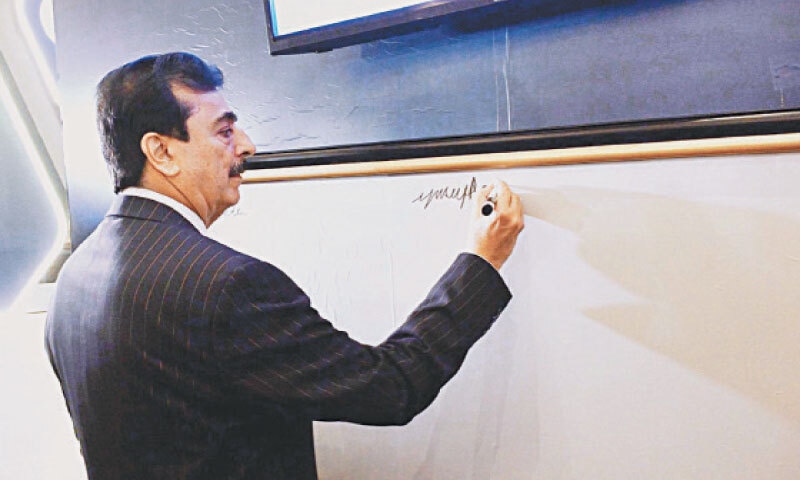

ISLAMABAD: The Inter-Parliamentary Speakers’ Conference (ISC), in a joint Islamabad Communiqué, reaffirmed its shared commitment to the foundational principles of peace, security and inclusive development as enshrined in the Charter of the United Nations and the universally recognised principles of international law.
“We take cognizance of the ever-growing complexities in the world today. We firmly believe that parliaments have a vital role in addressing common challenges by fostering inclusive dialogue, legislative innovation, interregional connectivity, and parliamentary diplomacy,” the speakers said.
The communiqué recognised the Inter-Parliamentary Speakers’ Conference (ISC) as a crucial platform for meaningful parliamentary dialogue and exchanges, as well as capacity building of parliamentarians.
The participants resolved to augment inter-parliamentary cooperation through MoUs, joint committees, parliamentarians’ caucuses, special forums for young parliamentarians, institutionalized partnerships and the promotion of mutual understanding across diverse regions and political systems.
They committed to supporting the ISC as a valuable forum for dialogue and the exchange of best practices among parliaments to address complex transnational issues, including sustainable development, climate resilience, conflict resolution and water, food and health security, while amplifying the voices of emerging economies to ensure equitable representation in shaping global cooperation.
The declaration underscored the critical role of parliamentary diplomacy in bridging divides, preventing conflict, fostering people-centric development and reinforcing multilateralism as the foundation for a more just and peaceful international order.
The parliamentarians affirmed the vital role of parliaments in upholding the principles of international law, advancing human rights and supporting the legitimate aspirations of all peoples to live in security, dignity and freedom.
They agreed to encourage stronger inter-parliamentary cooperation to tackle the underlying drivers of instability, such as poverty, exclusion, climate stress and protracted regional disputes.
The parliamentarians vowed to legislate and monitor national and regional development agendas aligned with the 2030 Sustainable Development Goals (SDGs) to effectively bridge social and economic inequalities.
They pledged to contribute to the economic and social empowerment of vulnerable and underserved communities, with a particular focus on women, youth, differently abled persons, and those in underdeveloped regions.
They also promised to strive to close the digital divide and leverage innovation to improve public service delivery and economic inclusion.
The communiqué stated that they would promote national and international e-parliament platforms that enable secure, real-time digital engagement with citizens and develop AI governance frameworks grounded in fairness, transparency, and accountability, ensuring that technological advancement serves the well-being of all peoples and respects fundamental rights.
The participants agreed to address global challenges, including terrorism and extremism, climate change, food and water insecurity, poverty, pandemics, cybersecurity, hate speech, xenophobia, and Islamophobia, through enhanced bilateral and multilateral cooperation, inclusive international partnerships and multi-stakeholder mediation approaches that prioritise citizens’ protection and human security.
They also stressed the need to promote sustained investment in education, scientific research, and innovation as critical pillars for building knowledge-based, adaptive, and resilient societies capable of withstanding current and future crises.
Senate Chairman Syed Yousaf Raza Gilani, while addressing the closing session, observed that terrorism remains one of the gravest global threats and that its elimination requires not only military measures but also parliamentary cooperation, financial oversight, and collective political will.
Published in Dawn, November 13th, 2025