Ban planned on import of exotic animals not native to Sindh
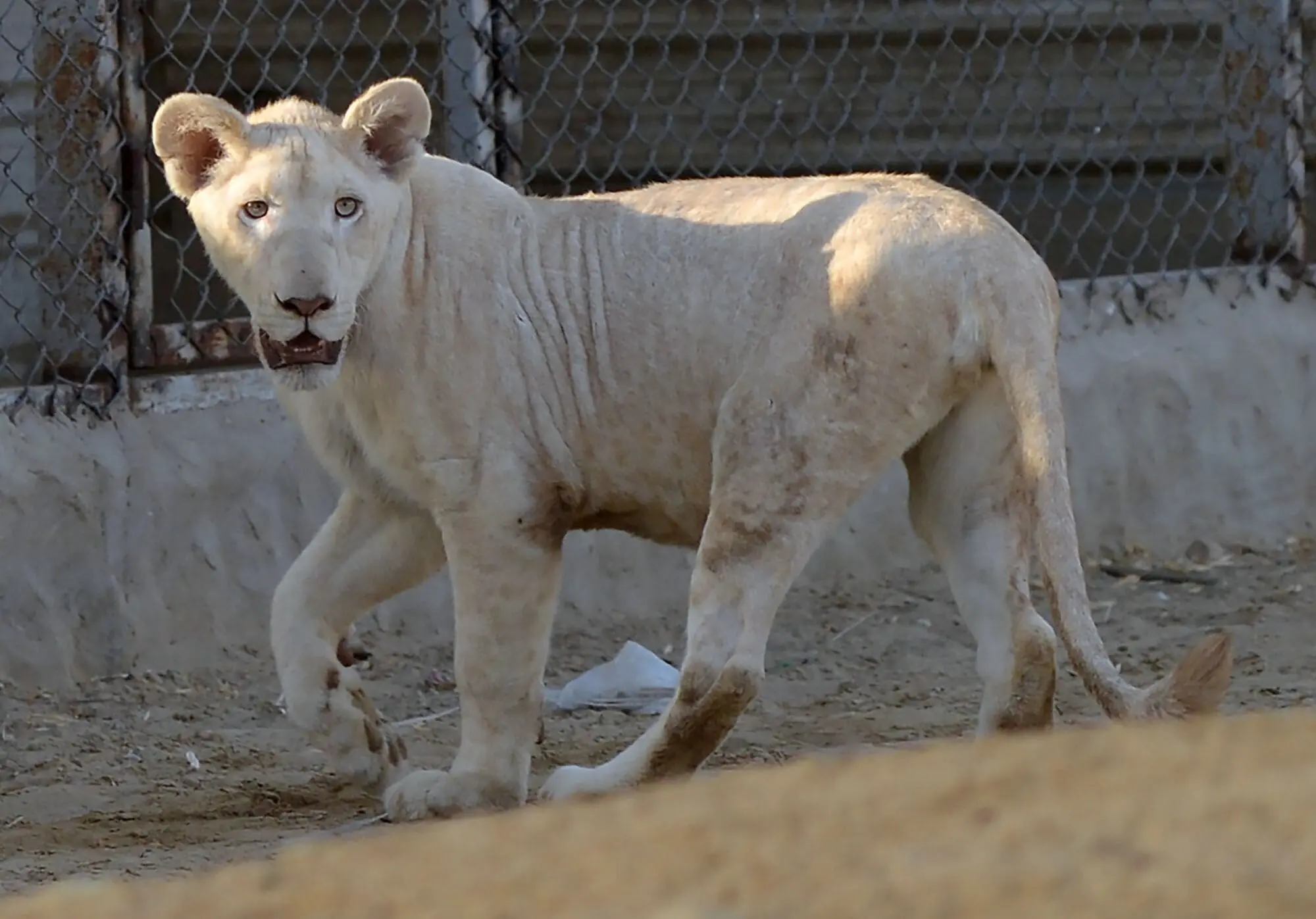

KARACHI: Sindh Chief Secretary Asif Hyder Shah has expressed serious concern over reports of violations of the Sindh Wildlife Protection, Preservation, Conservation and Management Act, 2020 at the Karachi Zoo and directed the Wildlife Department to take immediate corrective measures in accordance with the law.
The chief secretary also instructed the authorities to draft clear legal provisions prohibiting the import of exotic species not native to Sindh.
The directives were issued at a meeting held to review the performance, legal framework, and enforcement mechanisms of the Sindh Wildlife Department. The secretaries of law, forest and wildlife departments and the chief wildlife conservator attended the meeting.
During the meeting, the CS highlighted the importance of regulating trade and ownership of exotic animals, directing that no import of exotic species shall be permitted unless specifically approved for scientific or research purposes.
Karachi zoo does not comply with standards set under wildlife laws, CS told
The chief secretary directed that all exotic animals already present in the province be treated with care, properly registered, and continuously monitored.
Wildlife Conservator Javed Mahar informed the meeting about the current implementation status of the Sindh Wildlife Protection Act, highlighting enforcement gaps, ongoing violations, and pending litigation.
Referring to legal requirements for the possession and keeping of big cats, Mr Mahar explained that an applicant must possess a minimum area of 400 square yards, with 50 per cent reserved for vegetation such as grassy ground, trees, deadwood logs, and an elevated artificial rockery.
There must be two rooms equipped with stepwise elevated shelves for resting, a green-painted floor, and a gentle slope for proper water drainage. The outdoor courtyard must include two dens, a partition, and a water pool with a proper drainage system, where the water is replaced daily.
He noted that the Karachi Zoo does not currently comply with these mandatory standards as per the Sindh Wildlife Protection Act.
It was revealed that 129 wildlife-related summary trial cases were currently pending before various courts across Sindh since 2020.
The chief secretary directed the department to prepare a comprehensive compliance report on all ongoing cases and assured that he would personally take up the matter with the chief justice of the Sindh High Court to ensure early hearings and effective resolution of pending wildlife cases.
He emphasised the need for stronger law enforcement and institutional accountability and stated that the Sindh Wildlife Department would be held directly responsible for any violation of wildlife protection laws across the province.
The Wildlife Department will also be tasked with neutralising exotic species to prevent reproduction, maintaining ecological balance, and controlling population growth.
He further directed that all owners of exotic animals must declare and register their animals with the Wildlife Department within a specified timeframe.
The department will issue habitat management guidelines and enforce population control measures. Possession of illegal or unregistered exotic animals will result in strict penalties and legal action under the Wildlife Act.
The chief secretary also announced that a comprehensive consultation session will soon be convened with wildlife experts, civil society representatives, academic scholars, and government officials to address conservation challenges, including wildlife trafficking, habitat degradation, and pending litigation concerning endangered species.
The session will aim to develop recommendations for legislative reforms, enhanced enforcement mechanisms, and sustainable wildlife management strategies.
Mr Shah reaffirmed that protecting biodiversity, preventing habitat degradation, and ensuring the humane treatment of animals remain top priorities of the government of Sindh.
He emphasised that wildlife protection laws must be enforced in letter and spirit to safeguard the natural heritage of Sindh for future generations.
Published in Dawn, November 13th, 2025