NEARLY three years after the much-celebrated launch of the Fund for Responding to Loss and Damage (FRLD) at COP27, not a single dollar has reached countries devastated by climate disasters.
The fund, conceived as a rapid response mechanism to deliver relief within days of a catastrophe, has instead become mired in the very red tape it was meant to bypass. With pledges of about $700 million — but only $300 million actually in hand — the FRLD is proving a hollow promise for nations like Pakistan that bear the brunt of a crisis they did little to cause.
As COP30 opens later this month in Belem, Pakistan plans to submit proposals worth up to $20m to the FRLD board despite deep misgivings.
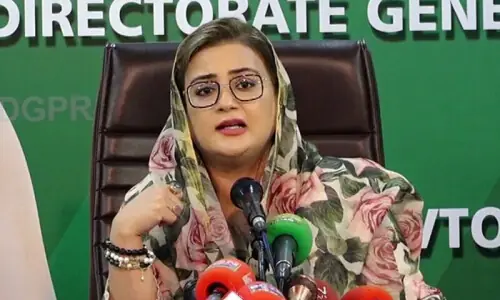
Climate Minister Musadik Malik confirmed that the country has yet to receive a single dollar in support, even as it reels from the losses of recurring floods, droughts, and glacial melt.
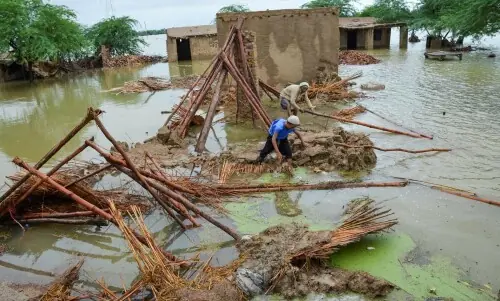
Of the $300m available, half is reserved for Small Island Developing States and Least Developed Countries — leaving Pakistan and others to compete for a share of roughly $100-150m. The sums are negligible when measured against the billions in damage Pakistan suffered during the 2022 floods alone, or the continuing climate-related displacements now unfolding across its provinces and rural communities.
Civil society groups have condemned the fund’s structure as “slow, bureaucratic, and unfit for purpose”. Following the seventh board meeting in Manila last month, the ‘Fill the Fund’ campaign described the outcome as “a profound injustice”.
They note that the fund’s multi-month project cycle “betrays its core mandate” to deliver aid within 24-48 hours of a disaster. Even the World Bank’s interim hosting role has drawn criticism for reinforcing cumbersome procedures and adding layers of conditionality that obstruct direct access and transparency.
This inertia reflects a deeper North-South divide.
Wealthy nations insist on elaborate frameworks before disbursing funds; vulnerable countries demand quick, grant-based relief. As Pakistan’s climate minister put it, the Global North continues to “shift its burden” to developing economies while lecturing them on compliance. Meanwhile, climate victims wait in despair. The hypocrisy is glaring: those most responsible for the crisis remain reluctant to finance its fallout, even after the International Court of Justice affirmed that such support is a legal obligation, not charity.
At COP30, Pakistan and other climate-vulnerable states must renew pressure for a mechanism that delivers, not deliberates. The FRLD was not meant to be another showcase of bureaucratic caution or diplomatic posturing. Unless donor nations fill the fund and unblock its flow, the world’s ‘rapid response’ to loss and damage risks becoming yet another illusion — proof that even in the face of existential threat, justice can still drown in paperwork.
Published in Dawn, November 7th, 2025