GARDENING: LOSING THE PINK
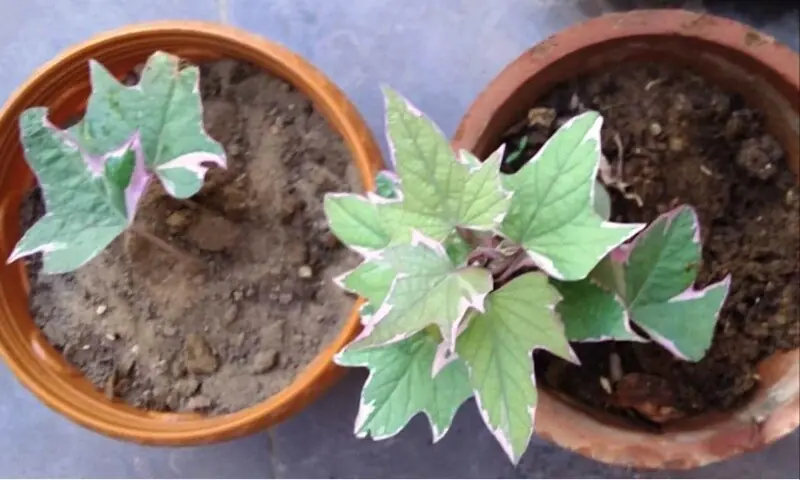

The Pink Frost sweet potato vine is among the most sought-after ornamental plants, offering delightful green and pink shades on its leaves. It is also easy to grow and propagate, provided certain basic requirements are met.
Sometimes, novices and kitchen gardeners can ignore the importance of soil mix when dealing with ornamental and hardy plants. Often, the primary reason for such oversights is the lack of return on investment for such plants, as they don’t produce fruit or generate revenue. Other times, it is because of gardeners’ belief that the vine will survive and thrive without much support. Blindly following such a belief can be detrimental to the plant and the soil mix of the container or the ground where the vine is being grown needs proper attention.
The potting mix for a grown plant should be well-drained and without pebbles and stones. While nursery soil meets the growth needs of the Pink Frost, the surface should still be fortnightly boosted with a thin layer of powdered compost, to provide the growing vine with reinforcements.
The soil should also be cleared of pebbles when planting seeds, propagating cuttings, or even while shifting a small plant into a bigger container. Small quantities of powdered eggshells, spent tea leaves (which are segregated from milk and sugar), and dried, powdered banana peels can also be added to the soil for continued enrichment throughout the plant life cycle.
Improper soil mixes, excessive heat or wrong fertilisers can quickly fade the signature colours of the ornamental sweet potato vine
A host of factors, such as the weather, the gardening or hardiness zone, the grower’s care, the quantity of sunlight, the watering schedule, pests and the applied fertilisers, determine whether the Pink Frost sweet potato vine will be a seasonal vine, an annual plant or a perennial one.
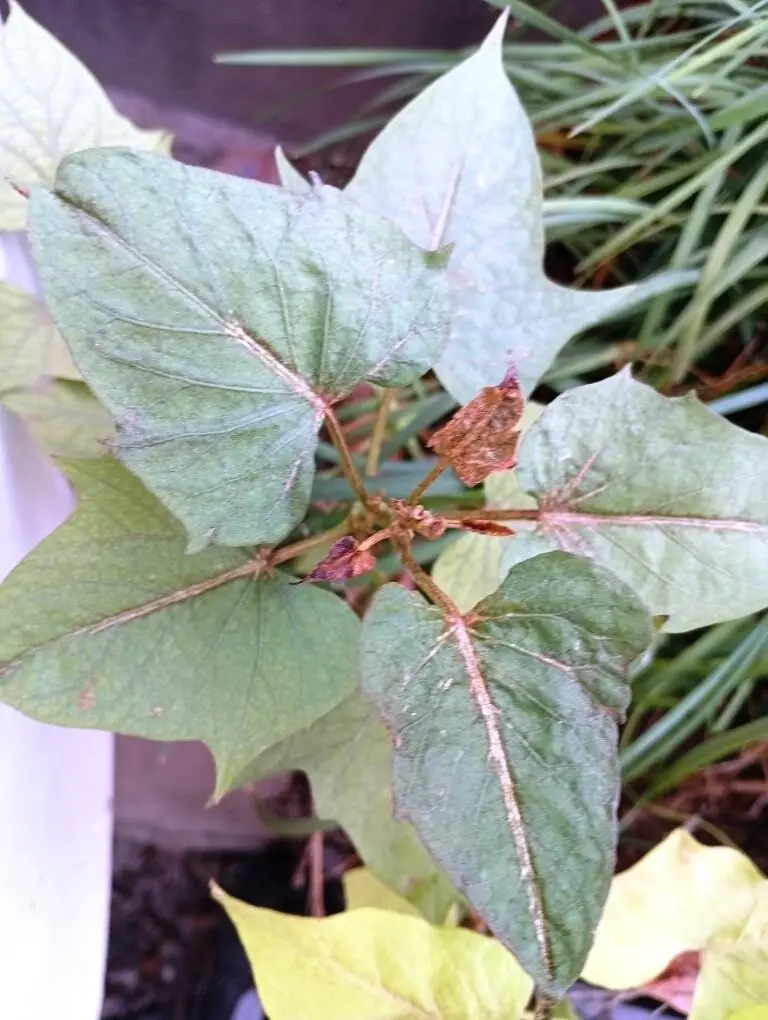
A primary concern when growing Pink Frost is maintaining its attractive foliage. Nitrogen-based fertilisers are recommended for improved foliage, making the vine bushy in appearance. At the same time, small quantities of phosphorus should also be applied to the vine to ensure stronger roots in mature plants. For a more economical option, cow manure is a good alternative. However, the cow manure must be fully decomposed; otherwise, it can burn the plant.
The plant thrives in mild direct sunlight. Usually, the Pink Frost grows best when it receives direct sunlight from early morning till noon. But the plant can experience stress if exposed to scorching sunlight, especially during the summers like the ones in Karachi. When that happens, the plant begins to lose its sheen and the leaves start to droop.

These are signs that the plant is at risk of succumbing to intense sunlight exposure. The colours of the leaves start to fade. The soft and shiny pink and green leaves are replaced by crinkled brown leaves. In situations where the sunlight isn’t overwhelming and the heat is bearable, the plant may survive, as long as it is given the attention it deserves. Even then, the dual-coloured leaves of the Pink Frost vine may change to a uniform, solid green leaf, like that of any other plant or tree!
Apart from sunlight and heat, there are other stresses which may cause the leaves to change colour, particularly losing the pink shade. These stresses include, but are not limited to, overwatering, under-watering, pest attacks, plant diseases and improper spacing between the plants.
Please send your queries and emails to doctree101@hotmail.com. The writer is a physician and a host for the YouTube channel ‘DocTree Gardening’ promoting organic kitchen gardening
Published in Dawn, EOS, November 2nd, 2025