Jordan, Germany say international force in Gaza needs UN mandate
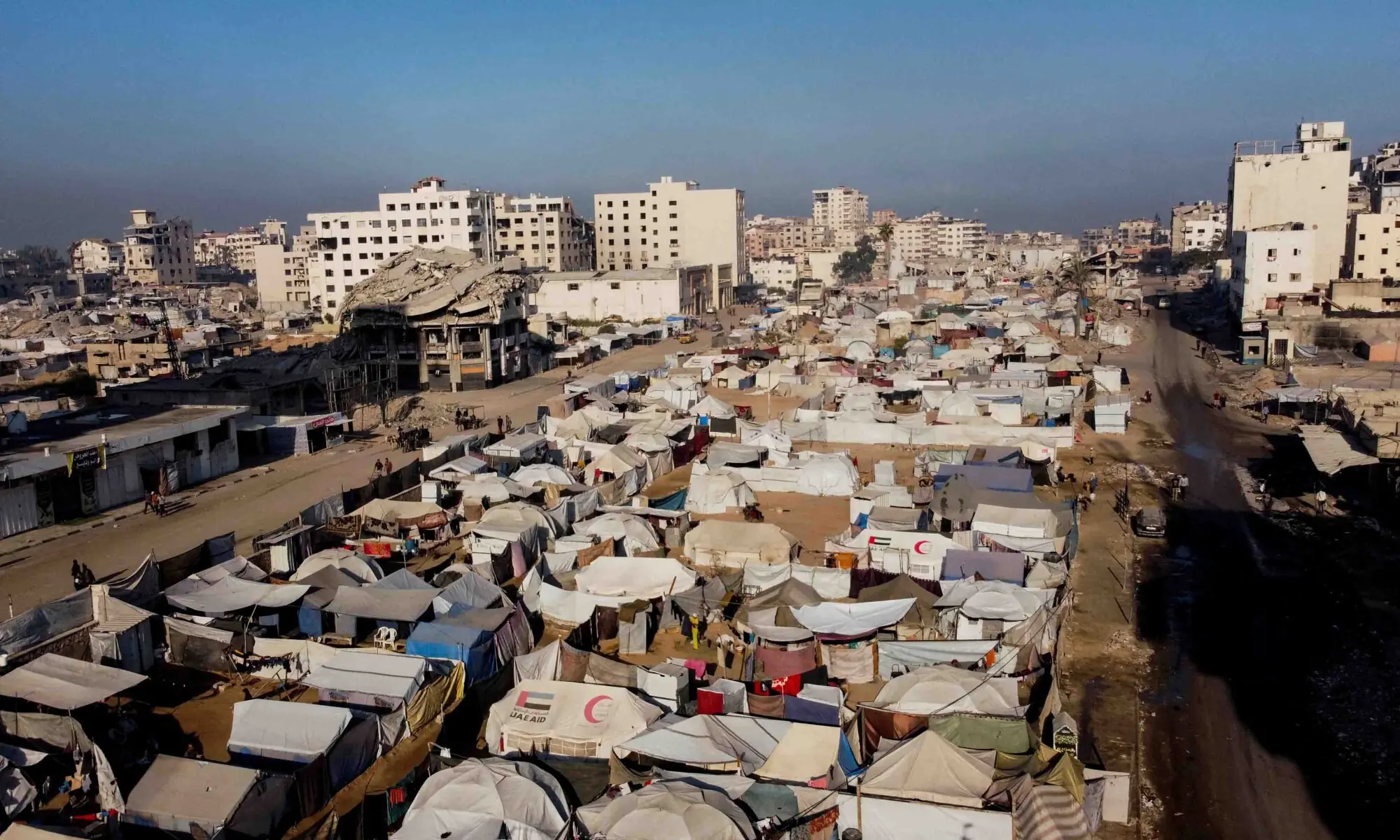


Jordan and Germany said on Saturday that an international force expected to support a future Palestinian police in Gaza under US President Donald Trump’s post-war governance plan should have a UN mandate.
Under the US-brokered ceasefire between Hamas and Israel, a coalition of mainly Arab and Muslim nations is expected to deploy forces in the Palestinian territory.
The so-called international stabilisation force is supposed to train and support vetted Palestinian police in the Strip, with backing from Egypt and Jordan, as well as secure border areas and prevent weapons smuggling to Hamas.
“We all agree that in order for that stabilisation force to be able to be effective in getting the job done, it has to have a Security Council mandate,” Jordanian Foreign Minister Ayman Safadi said.
Jordan, however, will not be sending its own forces to the Strip.
“We’re too close to the issue and we cannot deploy troops in Gaza,” Safadi said, adding his country was nonetheless ready to cooperate with the international force.
Safadi was speaking at the IISS Manama Dialogue conference in Bahrain alongside his German counterpart Johann Wadephul, who also supported a UN mandate for the force, saying it would “need a clear basis in international law”.
“We understand that this is of utmost importance to those countries who might be willing to send troops to Gaza and for the Palestinians. Germany would also want to see a clear mandate for this mission,” Wadephul said.
The idea of the stabilisation force has drawn some criticism, with UN experts last month warning it would “replace Israeli occupation with a US-led occupation, contrary to Palestinian self-determination”.
The UN has mandated international peacekeeping forces in the region for decades, including UNIFIL in southern Lebanon, which is currently working with the Lebanese army to enforce a November 2024 ceasefire between Hezbollah and Israel.