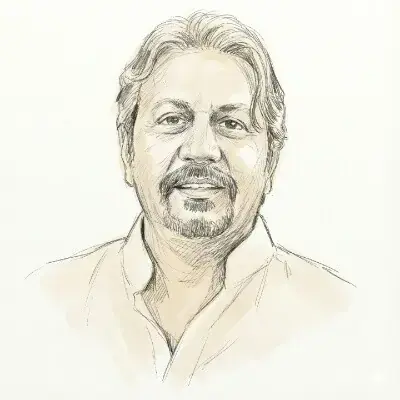
Saad Rizvi among 290 TLP men placed on no-fly list

LAHORE: The Ministry of Interior has placed the names of 290 leaders, financiers and hardcore activists of the proscribed Tehreek-i-Labbaik Pakistan (TLP) on the Provisional National Identification List (PNIL) to prevent them from travelling abroad, Dawn learnt on Tuesday.
Those on the list include TLP chief Saad Rizvi, his brother Anas Rizvi, and 21 other senior office-bearers, who are wanted in multiple cases registered in Lahore, Sheikhupura and other districts.
The Federal Investigation Agency (FIA) and other national and provincial authorities have been directed to increase surveillance at notified checkpoints, international border crossings and airports.
According to reports, authorities are concerned that the TLP chief and his brother could use support networks in Karachi to evade prosecution.
According to a senior Punjab official, the names were forwarded at the province’s request after the individuals were nominated in over 100 FIRs, including about 80 that carry anti-terrorism and other serious charges. Of the 290 absconders, 23 are described as senior leaders involved in finance and agitation planning.
The official said that records of suspected financiers had been compiled through geo-fencing and analysis of transactions made to the TLP via bank accounts and other channels.
Names identified as funders have been shared with relevant police officers to initiate placement on the 4th Schedule of the Anti-Terrorism Act, 1997, over suspected links with militant or sectarian outfits.
At a recent high-level meeting, the Punjab police decided to expand the scope of investigations to earlier cases from 2020 and 2021 involving alleged attacks on law enforcers during TLP-led protests, identifying several repeat offenders for renewed proceedings along with cases related to the 2025 unrest.
The meeting also ordered a review of past incidents targeting Christian and Ahmadiyya places of worship in Punjab, where the TLP was allegedly involved.
The Punjab police command has also decided to engage former Lahore Investigation DIG Imran Kishwar, currently serving as Admin DIG Lahore, to oversee case preparation. He has been tasked with supervising crime-scene work, fingerprint analysis, DNA testing, geofencing, geomapping, call data analysis, and related forensic work. Mr Kishwar previously led high-profile investigations related to the May 9 violent protests.
Meanwhile, the Punjab government has finalised an agreement with a group of moderate Sunni clerics to transfer management of 300 mosques and 125 seminaries previously raised or operated by the TLP.
In Sahiwal, the names of 12 TLP men were placed on the Fourth Schedule via a notification issued by deputy commissioner on the department’s direction.
Published in Dawn, October 29th, 2025