LAHORE: The Sui Northern Gas Pipelines Limited (SNGPL) has received around 150,000 new applications for connection under the Regasified Liquefied Natural Gas (RLNG) tariff category, it is learnt.
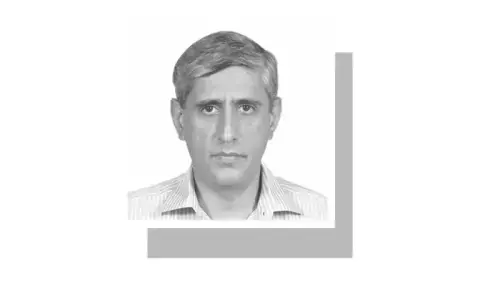
“So far, the company’s field formations have received around 150,000 applications for new RLNG connections. And the number is increasing day by day,” SNGPL Managing Director Mr Amer Tufail said while talking to Dawn on Monday.
According to him, the people, who earlier submitted applications under the system/indigenous gas tariff category and now seeking RLNG connections, will have to submit the applications afresh. However, he said, those seeking gas connection on an urgent basis will have to submit a Rs25,000 [urgent] fee.
To a question, he said there will be no change in the tariff of existing consumers, as they will continue to receive bills under the system/indigenous gas category.
To another question, he said the consumers would continue receiving uninterrupted gas supply during ‘cooking hours’ in winter, as is being practiced these days.
It is pertinent to mention that the company had earlier started receiving new applications for connections to the applicants for the facility forlong. The rate for the new connections will be charged as per new tariff calculated price of the RLNG and the cost incurred on operation, distribution, administration etc as determined and notified by Oil & Gas Regulatory Authority (Ogra) already.
The applicants seeking RLNG connections have been divided into four categories - urgent, normal, fresh applications and those desiring connections on the existing system/indigenous gas tariff. The first priority starts from the applicants who applied for connection and paid demand notices besides Rs25,000 urgent fee before imposition of a complete ban 3/4 years back. However, such applicants will have to pay a differential amount (previous and new demand notice) that is about Rs12,000 or so. As soon as they pay this, they will have a connection.
The second priority is for those who have already applied and paid demand notices. For this they will also have to pay a differential amount. However, if they want the connection urgently, they will have to pay a Rs25,000 urgent fee also. After doing all this, such applicants will be provided connections on an urgent basis. The above-mentioned applicants will have to submit an affidavit of switching to RLNG-based connections.
The fresh applicants under the new RLNG gas tariff fall under third priority. However, if they want connections early, they will have to wait for issuance of demand notice first and after payment of demand notice and urgent fee, they will be able to have a new connection. But they will be given connections after those who already fall under first and second priority. The last category is for those who have already applied for gas connections under existing system/indigenous gas tariff. Their turn will come till announcement by the government to give them system gas connection in future. However, if they want to switch to the RLNG-based tariff connections, they will have to submit applications afresh.
Published in Dawn, October 21st, 2025