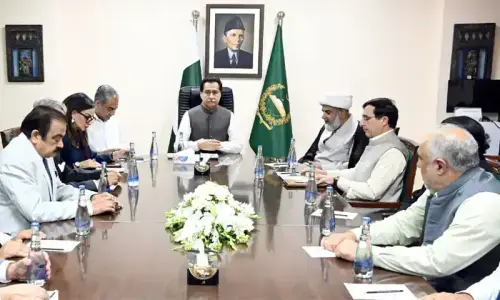
UN EXPERTS warn that “the air that keeps us alive is making us sick”. Nowhere is this more evident than in Pakistan, which last winter endured its worst smog season in years. An AFP analysis found that tens of millions spent four months breathing air pollution at levels 20 times higher than safe limits. Lahore’s 14m residents endured six months of PM2.5 concentrations far above WHO recommendations; Karachi and Islamabad suffered 120 days of the same choking air. At one point, Lahore’s air quality index spiked to nearly 1,900 — a level so hazardous that it ranked among the worst ever recorded anywhere. The smog was so thick it could be seen from space. It is against this backdrop that DawnMedia convenes the Air We Breathe conference today in Lahore, building on the momentum of the inaugural Breathe Pakistan event in Islamabad. It is a timely intervention in a city that symbolises both the scale of the crisis and the urgency of solutions. The conference agenda rightly ranges from governance and finance to health, diplomacy and judicial activism. The presence of the prime minister, Punjab’s chief minister and senior jurists will underline the stakes. Yet speeches alone will not suffice. The government’s approach has too often treated symptoms rather than sources — closing schools, installing futile anti-smog towers, or restricting independent monitors, while emissions from vehicles, factories, kilns and crop burning continue unchecked.
Experts remind us of the bathtub analogy: if water is overflowing, one must first close the tap, not mop the floor. In Pakistan’s case, that means cutting emissions at their source. Punjab has pledged to enforce emissions rules, expand monitoring and subsidise alternatives to crop burning, but piecemeal enforcement has yielded little. Eighty-three per cent of Lahore’s carbon emissions come from transport; cleaner fuels, stricter standards, and a genuine EV transition are overdue. Public health costs are mounting. Doctors warn of rising respiratory disease, cardiovascular risk, and long-term developmental harm to children. An Ipsos survey found four in five Pakistanis feel directly affected. Young activists describe life in smog as “really suffocating”. If this conference is to matter, it must press governments to set enforceable targets, mobilise financing and empower citizens with real-time data. Clearer skies are possible — Pakistan glimpsed them during the pandemic lockdowns. What is missing is not knowledge, but political will.
Published in Dawn, October 11th, 2025