ISLAMABAD: Speakers at a roundtable discussion have underscored that incarcerated children remain one of the most neglected groups in the justice system, with an estimated 1,700 to 2,000 juveniles currently in prisons across Pakistan, of whom nearly 89 per cent are under trial.
They said that most of these children come from economically disadvantaged backgrounds and lack access to legal aid or educational opportunities.
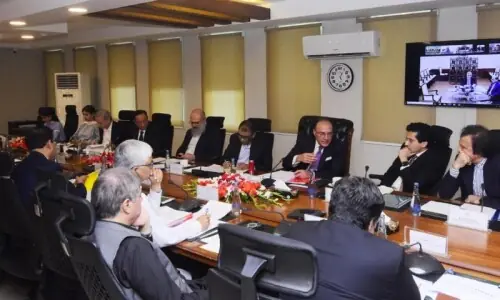
The Sustainable Social Development Organisation (SSDO), in collaboration with the University of Gloucestershire (United Kingdom) and the University of Chitral, organised a roundtable discussion on “Right to Education in Juvenile Justice of Pakistan,” says a press release issued here on Friday.
It said that the session brought together parliamentarians, academics, representatives from the National Commission on the Rights of the Child (NCRC), and civil society organisations to deliberate on the current state of incarcerated juveniles in Pakistan and explore ways to ensure their education and rehabilitation.
Facilitators of the roundtable included Professor Adeela Ahmed Shafi from the University of Gloucestershire (UK), Prof Dr Hazir Ullah, Vice Chancellor of the University of Chitral, and Syed Kausar Abbas, Executive Director of the Sustainable Social Development Organisation (SSDO).
Speaking at the event, Chairperson of the Parliamentary Caucus on Child Rights, Dr Nikhat Shakeel, stated that “the safeguarding and protection of children is our top priority. The caucus will review existing policies related to juvenile justice and push for substantial reforms through legislative measures.”
Participants emphasised the need for comprehensive reforms and inclusive education initiatives within the juvenile justice framework to ensure the rehabilitation and reintegration of children in conflict with the law.
The session was attended by experts, including Afshan Tehseen Bajwa, former chairperson of the National Commission for the Rights of Children (NCRC), Ihsan Ghani, former Inspector General of Police, Valerie Khan, Dr Ayesha, and representatives from civil society, academia, and relevant government departments.
Speakers agreed that a lower age of criminal responsibility increases the state’s responsibility to ensure proper education, rehabilitation, and protection for children within the justice system.
The roundtable concluded with a collective commitment to develop actionable strategies and collaborative frameworks to promote the rights, education, and rehabilitation of incarcerated juveniles in Pakistan.
Participants also agreed to form a working group to follow up on the recommendations and facilitate evidence-based advocacy and policy reform.
Published in Dawn, October 11th, 2025