0
0

AFTER holding protests on Aug 5 when the nation stood in solidarity with its brethren in India-occupied Kashmir, and then having a change of mind at the last minute when the nation was celebrating its Independence Day on Aug 14, the main opposition party is again planning to disrupt life in the country to somehow force the release of its ‘leader’; a man jailed in a corruption case after due legal process. All this is a troubling sign of how deeply political polarisation has eroded Pakistan’s democratic values.
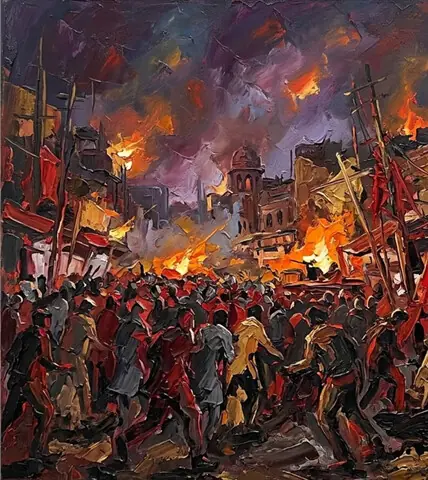
Instead of strengthening democratic norms through legal and institutional processes, street action threatens to further destabilise an already fragile political environment. Democracy thrives on constitutional mechanisms, not emotional uprisings. The decision to resort to mass protests, especially in a charged political atmosphere, undermines the credibility of Pakistan’s institutions.
Courts, election tribunals, and law- enforcement agencies are increasingly viewed through a partisan lens, and every legal outcome is interpreted not as justice, but as political revenge. If the legal process is flawed at all, it should be challenged within the courts, not through pressure tactics and power shows on the streets.
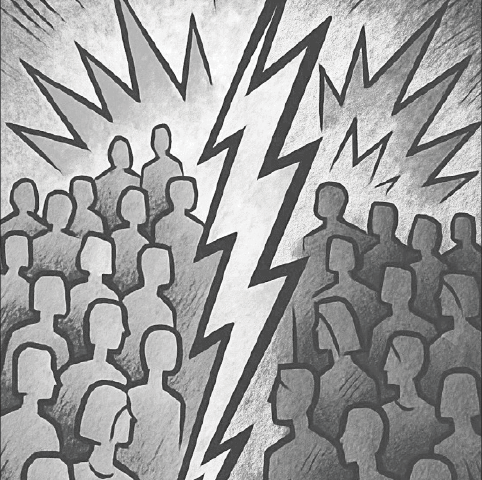
Each protest, each shutdown, and each accusation of bias chips away at the foun-dations of democracy. It is not a movement for reforms, but a refusal to accept due process unless it delivers a desired outcome. Moreover, these protests deepen societal divisions. Families, workplaces and communities are being torn apart by partisan loyalties. Media platforms are flooded with misinformation, conspiracy theories, and hate speech — all of which only serve to inflame tensions.
Pakistan needs political maturity, not mob pressure. What is urgently required is a collective effort by all political actors to depolarise the nation, respect the rule of law, and preserve institutional neutrality. Renewed protests may generate short-term political gains, but they are setting dan-gerous precedents that threaten long-term democratic stability.
Political leaders must rise above populist impulses, and act like statesmen, not agitators. Street power — perceived or otherwise — must not be allowed to replace constitutional power. If we continue down this road, the consequences will be dire not just for any single party, but for the democratic future of the country itself.
Sanaullah Mirani
Daharki
Published in Dawn, September 26th, 2025