Pakistan witnessed an alarming spike in militant violence in August this year, registering a 74 per cent increase in militant attacks compared to July, becoming the “deadliest month in over a decade”, according to data released by the Islamabad-based think tank Pakistan Institute for Conflict and Security Studies (PICSS) on Monday.
In July, PICSS documented 82 militant attacks across the country, resulting in 101 fatalities and 150 injuries, a 5pc rise in militant attacks compared to June.
According to the think tank, those killed in July’s militant attacks included 47 civilians, 36 security personnel, and 18 militants. Among the injured were 90 civilians, 52 security personnel, seven militants, and a member of a peace committee.
“With 143 militant attacks recorded, August became the deadliest month in over a decade, surpassing all monthly figures since February 2014, as per the PICSS Militancy Database,” the think tank’s latest report read.
The wave of violence left 194 people dead, including 73 security forces personnel, 62 civilians, 58 militants, and one pro-government peace committee member, according to PICSS.
Additionally, 231 others were injured, comprising 129 security personnel, 92 civilians, eight militants, and two peace committee members. Militants also abducted at least 10 individuals during the month.
“In response, security forces escalated their operations, killing at least 100 militants and arresting 31 others across the country. However, these actions also led to the deaths of three civilians and one security personnel,” according to PICSS.
When accounting for both militant attacks and security operations, at least 298 individuals lost their lives in August. These included 158 militants, 74 security forces personnel, 65 civilians, and one peace committee member.
The number of injured also rose to 250, with 137 security personnel, 100 civilians, 11 militants, and two peace committee members affected. PICSS observed a 100pc increase in security forces’ deaths and a 145pc rise in injuries compared to July. Militant fatalities rose by 27pc, while civilian deaths climbed 20pc.
The report highlighted that the most alarming escalation occurred in Khyber Pakhtunkhwa, especially in the tribal districts, which saw 51 militant attacks — a 200pc increase. These attacks resulted in 74 deaths, marking a 124pc rise.
The rest of KP was also similarly hit, with 55 attacks causing 56 deaths, including 26 security personnel, 22 civilians, and eight militants. In total, KP witnessed 106 militant attacks, the highest monthly figure in over 10 years, according to PICSS.
Operations were launched in Bajaur and North Waziristan, “resulting in partial clearance of militant hideouts, although the situation remains tense,” the think tank added.
Balochistan followed with 28 attacks, resulting in 52 deaths — 23 security personnel, 21 civilians, and eight militants. Another 45 people were wounded, including 23 security personnel and 22 civilians.
“Security forces eliminated 50 militants in the province — the highest number of militant deaths in operations since June 2015, when 60 were killed,” according to PICSS.
Sindh reported six attacks, leaving eight people dead — six civilians and two security personnel. Security forces arrested 11 suspected militants, all in Karachi.
In Punjab, two attacks occurred: a banned Tehreek-i-Taliban Pakistan (TTP) assault in Dera Ghazi Khan, and an unsolved killing of a young cleric in Rawalpindi. resulting in the deaths of one civilian and one attacker.
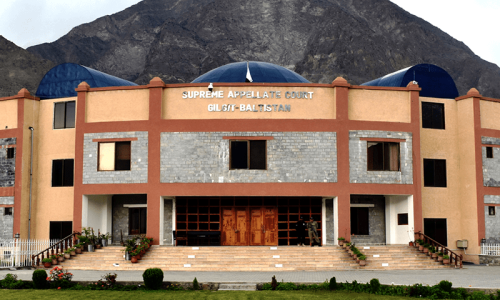
In Gilgit-Baltistan, TTP-linked militants struck Chilas district, killing two security personnel and injuring one.
Pakistan has seen a surge in terrorism since the TTP ended its ceasefire deal with the government in November 2022, vowing to increase attacks.
The government labelled the TTP as Fitna-al-Khawarij and directed the use of the term khariji for attackers. It later designated Balochistan-based groups as Fitna-al-Hindustan to highlight India’s alleged role in terrorism and destabilisation across Pakistan.
On Sunday, President Asif Ali Zardari signed into law the Anti-Terrorism (Amendment) Bill, 2025, seeking to improve counterterrorism efforts while ensuring legal oversight and safeguards.
Last week, the Balochistan government extended the enforcement of Section 144 across the province for another 15 days due to the prevailing law and order situation, according to an official notification from the additional chief secretary of the Home Department.
In March, Pakistan ranked second in the Global Terrorism Index 2025, with the number of deaths in terrorist attacks rising by 45pc from 2024 to 1,081.