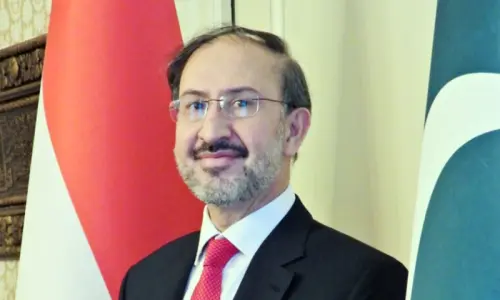
THE climate crisis is becoming harder to confront as the world develops new ways to consume scarce resources. At an SDPI event, Senator Sherry Rehman drew attention to the intersection of climate change, AI, energy security, and geopolitical tensions. Her concern was that governments can no longer afford to address these challenges in isolation, as decisions in one area increasingly affect another. AI, for example, is often presented as a means of improving efficiency and accelerating economic growth. Yet the data centres powering it require enormous amounts of electricity, while their cooling systems can place additional pressure on water supplies. The rapid expansion of this technology is raising questions about where the necessary energy will come from and how its environmental costs will be managed. Beyond the demands of new technology, geopolitical conflicts and uncertainty over energy supplies are also encouraging governments to prioritise immediate economic interests over emissions reduction. The latest UNEP projections suggest that existing national climate commitments, even if fully implemented, would still leave the planet heading towards approximately 2.6°C of warming by 2100. Together, these pressures are making it harder to reconcile economic priorities with the urgent need to limit global warming.
For Pakistan, these competing demands present a challenge. The country wants to attract investment in AI and digital infrastructure while struggling with expensive electricity, water shortages, and growing exposure to extreme weather. These ambitions need not be abandoned, but their resource requirements cannot be overlooked. New data centres must be assessed not simply for the investment and employment they promise but also for their impact on the power grid and local water supplies. Renewable energy could help meet demand, provided expansion is backed by reliable infrastructure. Yet the responsibility for managing these pressures cannot be equally divided. Wealthier economies have greater capacity to manage the environmental impact of digital expansion. Countries such as Pakistan, meanwhile, face climate risks with fewer resources. Integrated thinking should, therefore, shape domestic planning and global climate talks. Pakistan must press for a fairer distribution of climate responsibilities while ensuring that its own technological goals do not further strain the resources its people depend upon.
Published in Dawn, November 4th, 2026