ISLAMABAD: Widespread monsoon rains followed by flooding in parts of Pakistan have led to the deaths of over 280 people and caused serious damage to the country’s economy, infrastructure and critical ecosystems.
The floating plastics and poor waste management have exacerbated the flooding situation in major cities across country.
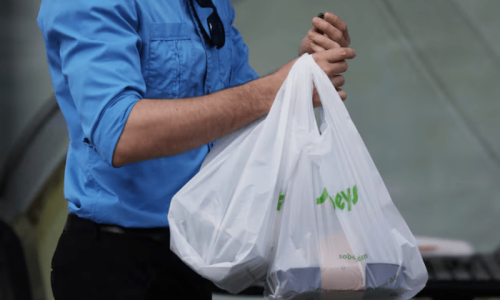
This was stated by WWF-Pakistan in a press release issued in connection with the plastic-free July campaign. It said the floating plastics were a huge menace in cities amid the current monsoon season. These plastics choked the drainage system and caused prolonged waterlogging that damaged roads, bridges, buildings and other infrastructure.
The plastic waste also posed serious health risks, resulting in the outbreak of waterborne diseases in areas with weak waste management systems.
Says floating plastics and poor waste management exacerbate flooding situation in major cities
According to a report by the Organisation for Economic Cooperation and Development (OECD), internationally, the annual production of plastics has doubled, soaring from 234 million tonnes (mt) in 2000 to 460mt in 2019. If the current trend of plastic production continued, this will not only produce health hazards but also damage the ecosystems and exacerbate climate change incidents.
Hammad Naqi Khan, Director General WWF-Pakistan, said plastics threatened biodiversity and created serious health hazards. They broke down into microplastics and contaminated the freshwater resources, and affected the soil fertility.
He mentioned that plastic production significantly contributed to carbon emissions, which needed to be addressed through concerted efforts and robust waste management. He also said that a large part of the plastic waste in the upper riparian regions polluted the Indus River and further travelled downstream Kotri Barrage, reaching the Arabian Sea.
“This not only harms the freshwater ecosystem but also endangers coastal and marine biodiversity”, Khan added. There are also increasing concerns over microplastics as they found their way into everything we consumed and breathe through air, water and food systems.
According to some studies, microplastics have been found in various human organs, and even in the placenta of newborn babies.
“To address the challenge of plastics, WWF-Pakistan is closely working with relevant organizations and government agencies and has launched advocacy campaigns, cleanup drives, and beach cleaning activities along the Pakistan coast.”
It has also initiated projects that help mitigate plastic pollution and improve local lives. To promote sustainable livelihoods and reduce plastic waste, WWF-Pakistan has trained over 50 local women in Karachi and Islamabad who transform hard-to-recycle multi-layered plastics (MLPs) into marketable products and generate income.
WWF-Pakistan has also identified plastic leakage points along Karachi’s coast through a scoping study and installed a litter boom at the fish harbour, retrieving over 2500 tons of waste. Through its Plastic Bank Initiative, it has also installed Plastic Recovery Banks in five major universities of Karachi equipped with segregated bins and educational materials for waste disposal.
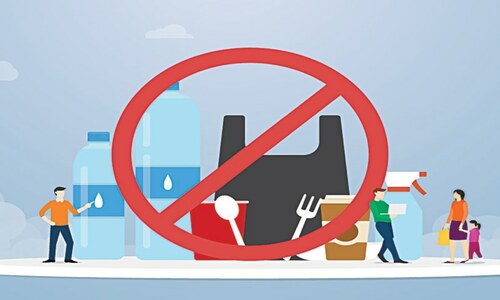
To mitigate the plastic waste and address the flooding, WWF-Pakistan has called for a complete ban on single-use plastic production and consumption across the country. It also appealed to citizens to discourage the use of plastic products and adopt alternatives.
Published in Dawn, August 3rd, 2025