Islamabad court suspends order banning YouTube channels of Matiullah Jan, Asad Toor
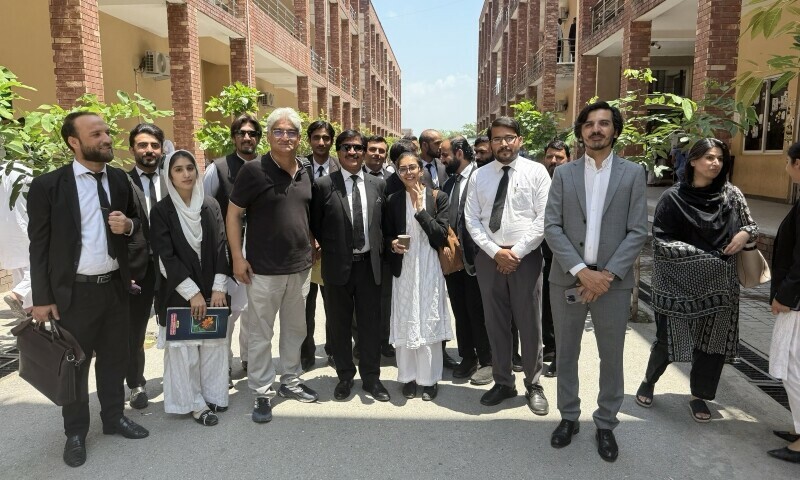

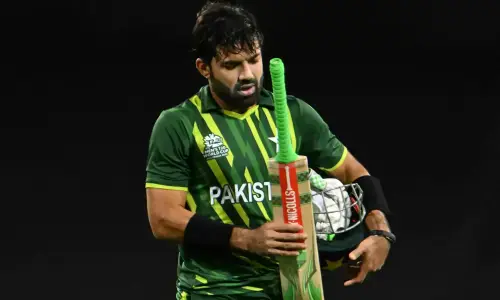
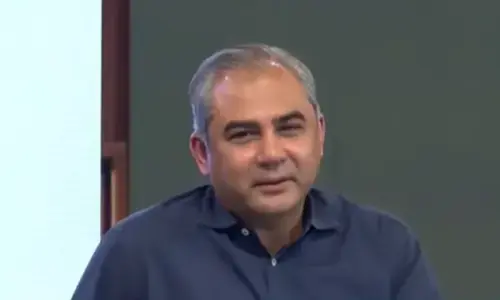
An Islamabad district and sessions court on Friday admitted two revision petitions — submitted by journalists Matiuallah Jan and Asad Ali Toor — against the judicial magistrate’s order blocking 27 YouTube channels, suspending the ban for the two petitioners.
An Islamabad court recently ordered YouTube to block 27 channels for disseminating “fake, misleading, and defamatory” content against the government and armed forces. The sanctioned accounts were being run by journalists, political commentators and social media influencers in Pakistan and overseas.
On Wednesday, Minister of State for Interior Talal Chaudhry said that the owners of these channels would face criminal action.
Additional District and Sessions Judge Muhammad Afzal Majoka heard the two revision appeals and ordered the suspension in a one-page written order for each petition.
According to the order dated today, seen by Dawn.com, the petitioners contended that they were not even given a prior notice and that the ban violated Article 10-A of the Constitution.
“Hence, instant revision petition is admitted for regular hearing,” the order read, suspending the ban for both the petitioners.
The court also issued a notice to the National Cyber Crime Investigation Agency (NCCIA) seeking a response in the next hearing on July 21.
Jan confirmed the development in a post on X and said, “As a result, a request is now being made to the YouTube administration to halt the process of closing these channels.”
Toor called the suspension “a big victory” and appreciated the legal team in his post.
Separately, human rights lawyer and petitioners’ counsel Imaan Zainab Mazari-Hazir confirmed to Dawn.com that the order only applied to the two petitioners. “The others can ideally get the same order if they apply for revisions,” she added.
Reuters quoted Mazari as saying, “Our submission is that the order has no legal basis. It was a one-sided decision without giving [the] defence a chance to be heard.” She also said the magistrate court had no jurisdiction over the matter.
The ban has sparked criticism from various legal and digital rights groups.
The Forum for Digital Rights and Democracy (FDRD) and the Supreme Court Bar Association (SCBA) on Wednesday condemned the decision, calling it a “blatant violation” of fundamental rights and an assault on press freedom.
The Human Rights Commission of Pakistan (HRCP) has also expressed concern over the ban, stating, “The wholesale blocking of entire channels — rather than addressing specific instances of unlawful or hateful speech in accordance with due process — conflates dissent with criminal activity.”
“The constitutional right to freedom of expression is fundamental not only for individual liberty but also for ensuring government accountability, fostering debate and enabling the public to access a diversity of viewpoints,” the HRCP said, urging “precise and proportionate” interventions against hate speech.
On March 20, Farhan Mallick, the founder of media agency Raftar and a former news director at Samaa TV, was arrested in Karachi and booked under Peca as well as the Pakistan Penal Code in a case related to alleged anti-state content on his YouTube channel.
The arrest was met with widespread criticism from media bodies as well as rights activists.
He was granted bail in April in the many cases against him pertaining to allegedly “anti-state” content and data theft through a call centre.
In May, Pakistan Telecommunication Authority lifted the ban on X after the platform was inaccessible to users for more than a year. The social media platform was blocked in February 2024, around 10 days after the general elections, while the caretaker government was still in power.