0
0

The Saudi government on Wednesday announced that its 937 Health Call Centre was now offering multilingual support to Haj pilgrims around the clock, including in Urdu.
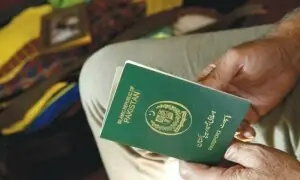
Haj, one of the fundamental pillars of Islam, is performed each year by millions of Muslims worldwide. Pakistan receives one of the highest Haj quotas from Saudi Arabia.
According to a press release from the Saudi Embassy, the call centre “plays a vital role in the Kingdom’s healthcare response during Haj.”
“The centre is designed to enhance access to health services, offer medical guidance, and ensure [a] timely response to emergencies,” the press release read.
“Available 24/7, the centre provides a wide range of services including real-time medical consultations, emergency assistance, handling of complaints, guidance on accessing health facilities, and support in locating missing or hospitalised pilgrims.”
The press release stated that the call centre operates in seven major languages: Urdu, Arabic, English, French, Indonesian, Farsi, and Turkish. This ensures “smooth, responsive, and inclusive service delivery regardless of nationality”, according to the statement.
The Saudi Ministry of Health called on all Haj pilgrims to utilise the services of the call centre, reaffirming it was ready to respond to all inquiries and medical emergencies.
The ministry underscored that these efforts are part of a broader strategy “to uphold the health, safety, and dignity of every pilgrim throughout their sacred journey”.
Last week, the ministry launched a health awareness kit, including one in Urdu, to promote the health and well-being of Haj pilgrims.
In a post on X, the Saudi health ministry said that the kit was available in eight languages. “In all languages, we care about pilgrims’ health. Explore the health awareness kit to promote health and well-being among pilgrims,” the post said.
The multilingual kit contained essential information for pilgrims, such as: preventing heat-related illnesses and managing health in extreme conditions, required vaccinations (meningitis, Covid-19, polio and yellow fever), managing chronic diseases, and accessing free health services during Haj. It also included short videos, social media assets, and printable posters.