Volcanic ash can spark lightning
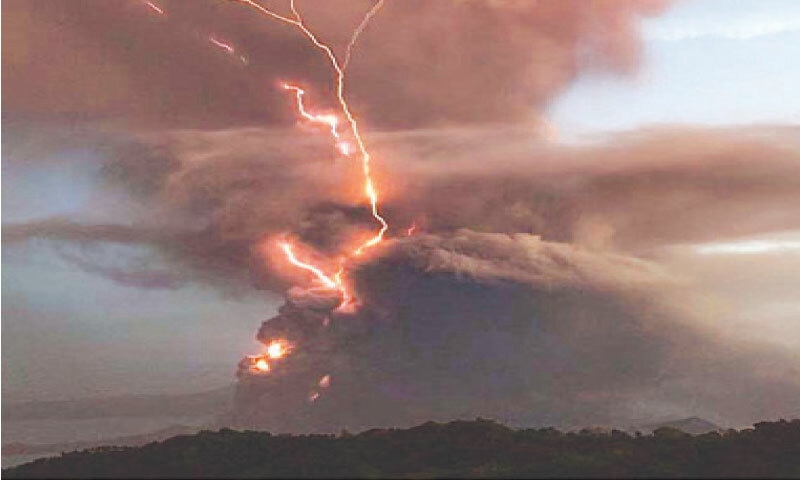
If you’ve ever seen a clip of a large volcanic eruption, you might notice some flashes of lightning within the towering ash and smoke. This phenomenon is known as volcanic lightning.
This spectacle is caused by ash particles rubbing against each other, generating static electricity. When this energy builds up enough, it’s released as lightning.
The land around volcanoes is highly fertile
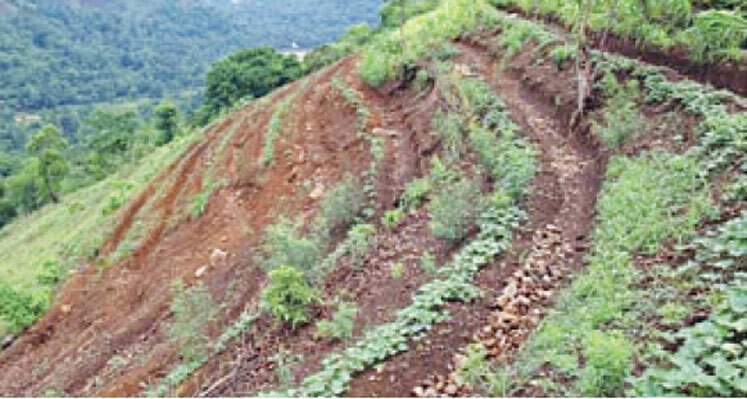
Volcanoes can be destructive forces of nature, but after the dust settles and new life grows, it really grows.
The volcanic ash released during an eruption mixes with the soil, acting as a natural fertiliser for plants. This explains why volcanic regions are blessed with gorgeous green vegetation. n
Volcanoes can change the weather
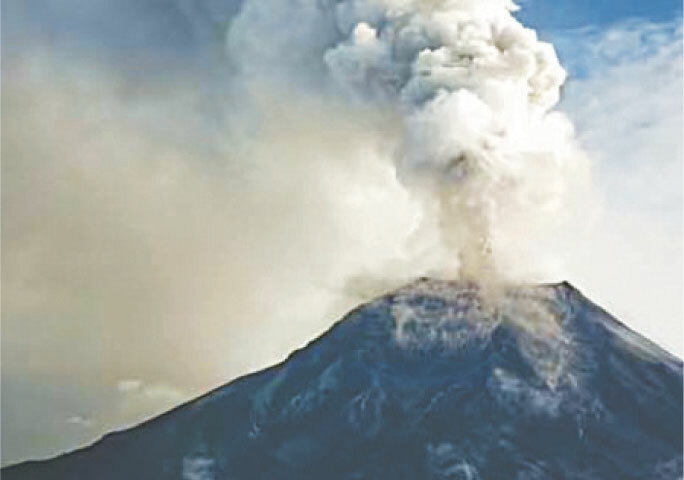
A great example of this is the Mount Pinatubo eruption in 1991. It released nearly 22 million tonnes (20 million metric tonnes) of sulphur dioxide into the air, forming a massive blanket over our atmosphere that blocked some of the sun’s rays.
As a result, global temperatures dropped by about 0.9°F (0.5°C). Volcanoes can also trigger rainfall and even fog, and you’ll often see a ring of clouds around their tops.
Erupting volcanoes smell like rotten eggs
The smell of rotten eggs comes from hydrogen sulphide, which volcanoes release when they erupt. Volcanoes also release other gases, such as water vapour, sulphur dioxide and carbon dioxide.
The sulphur often precipitates as yellow crystals on nearby rocks. The gases can also react with water to form sulphuric acid, which breaks down black basaltic rocks into red or yellow clay.
Published in Dawn, Young World, May 24th, 2025