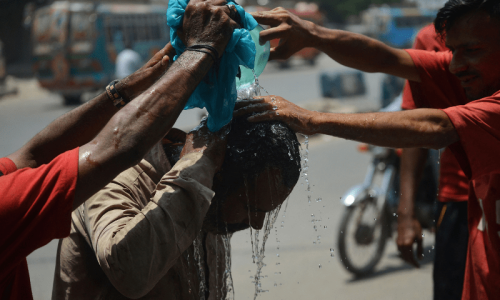
PAKISTAN is in the midst of an intense heatwave, with temperatures soaring 4°C to 7°C above normal across much of the country.
This extreme weather is expected to persist till the end of the month, with some regions already experiencing highs of 49°C. What was once considered rare has become alarmingly common, as climate change accelerates the frequency and severity of such events. Yet, despite repeated warnings from scientists and international bodies, Pakistan remains woefully unprepared for the escalating climate crisis.
The effects of the heatwave are rippling through every sector. Agriculture, the backbone of Pakistan’s economy, is under severe stress as excess heat kills crops and worsens water scarcity. Reports of early wheat crop failures are already emerging, threatening both food security and rural livelihoods.
At the same time, water resources are being strained to the limit. Faster-than-normal snowmelt in the northern mountains, spurred by high temperatures, raises the spectre of flash floods while jeopardising water availability during the critical summer months.
Public health infrastructure is also under immense pressure. Hospitals are seeing an increase in heat-related illnesses, particularly among vulnerable groups such as outdoor labourers, the elderly and children. The memory of the 2015 Karachi heatwave, which claimed over 1,200 lives, looms large and must not be ignored. Meanwhile, power outages in various areas highlight the fragility of the energy grid at a time when uninterrupted supply is a matter of life and death.
The government must roll out relief measures without delay. As highlighted by the NDMA, cooling centres should be established in urban and rural hotspots. Water resources must be managed and prioritised for essential needs and work hours for outdoor labour should be adjusted to minimise exposure. Public health services need to be fully equipped to manage heatstroke and related conditions, and power must be prioritised for hospitals and essential water infrastructure.
Beyond these short-term interventions, there is a pressing need for a long-term strategy to adapt to the warming climate. This includes investing in water storage and management, promoting climate-resilient crops and efficient irrigation techniques, and expanding urban greenery to reduce heat absorption. Early warning systems must be enhanced, and local disaster response mechanisms strengthened to ensure timely action.
The current heatwave is not merely a temporary discomfort; it is a dire warning of what lies ahead if Pakistan fails to confront the realities of climate change. Policymakers must treat this crisis as a national emergency. The most vulnerable citizens cannot afford the cost of inaction. As temperatures continue to rise, so too must our commitment to building climate resilience. Rather than half-measures, the situation demands bold, coordinated action to safeguard lives, livelihoods and the country’s future.
Published in Dawn, April 28th, 2025