ISLAMABAD: One-third of the total global child population, 766 million, were exposed to extreme heatwaves between July 2023 and June 2024 as temperatures hit new record highs, said a report released by international non-governmental organisation ‘Save the Children’.
The body working for children’s rights said during the same period, 344m children experienced the highest temperature recorded in their location since at least 1980, the report said.
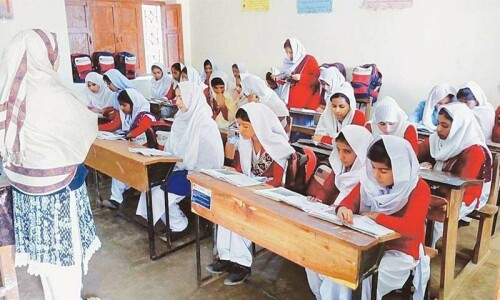
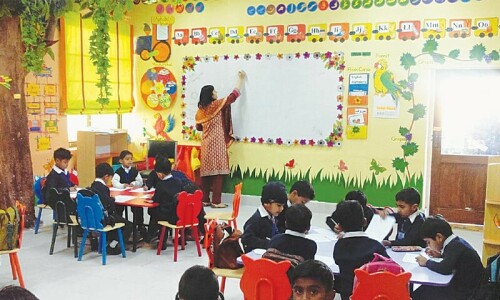
Heatwaves also disrupt education through school closures and decreased learning. In April and May 2024, more than 210m children missed out on their school days due to extreme heat.
In Punjab, at least 26m children or 52 per cent of all the country’s pupils in pre-primary, primary and secondary education missed classes due to extreme heat in May.
In Punjab, 26m school-goers missed classes due to extreme heat in May
Children around the world are experiencing more intense and frequent heatwaves because of the climate crisis, putting their physical and mental health as well as rights such as education at significant risk, the child rights organisation said.
Save the Children analysed satellite imagery of surface temperatures covering every part of the world. The child rights organisation defined an “extreme heatwave” as three consecutive days experiencing a temperature in the top one per cent of all those recorded in that location in the previous 30 years.
The data showed that the number of children affected by extreme heatwaves almost doubled from 2022-23 to 2023-24.

The new data showed that in July 2024 alone, 170m children experienced heatwaves. The same month also saw unprecedented heat globally, including the hottest day ever on record.
Children’s bodies are less able to regulate their temperature compared to adults, making them more vulnerable to heat-related illnesses such as heat exhaustion and heat stroke, Save the Children said.
Their respiratory and immune systems are also still developing, making them more susceptible to the negative health impacts of poor air quality that often accompanies heatwaves.
Save the Children said extreme heat is leading to an increase in child hospitalisation, the prevalence of respiratory conditions like asthma, in addition to impacting children’s mental health and overall development.
Heatwaves are also worsening existing inequalities and food insecurity, the report added.
Published in Dawn, September 2nd, 2024