Punjab has no claim on Sindh’s water, says Azma Bokhari


 0
0


LAHORE: The Punjab government says it has no claim on Sindh’s water, but it will not allow any interference in its (Punjab) water management.
“Let me tell you… Punjab has no claim over Sindh’s water. However, no one is allowed to interfere in Punjab’s water management,” Punjab’s Information Minister Azma Bokhari told journalists here on Tuesday. She was replying to a question over the ongoing water row between Punjab and Sindh.
Earlier, expressing profound concern over the severe water shortage in the province, Sindh Chief Minister Syed Murad Ali Shah asked the federal government to ensure a fair distribution of water so that every province receives its rightful share.
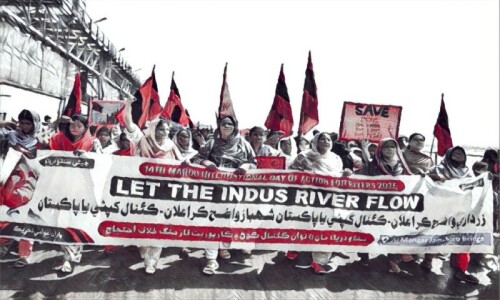
The Sindh Assembly also recently unanimously passed a resolution against the construction of six new canals on the Indus River.
The resolution, tabled by the Sindh CM, also demanded an immediate halt to any plans, activities or work related to the controversial project until an agreement with all provincial governments, particularly Sindh, is reached to ensure the rights of the province have been fully protected and respected.
Ms Bokhari further pointed out that the country is facing a severe water shortage, with Punjab’s water reserves decreasing by 41 per cent. “Sindh and other provinces should focus on better water management,” she said.
Minister says Punjab won’t allow ‘interference’ in its water management
In reply to a question about sacking of different hospitals’ heads and officials by Punjab Chief Minister Maryam Nawaz for non-availability of medicines, Ms Bokhari claimed: “The health sector is under the influence of the mafia, but no one will be allowed to deprive patients of medicines.”
Warning the Punjab government employees, she said those who did not align with Maryam Nawaz’s vision would have no place in the department. She stressed the need for a biometric system in hospitals saying the public hospital doctors must fulfill their responsibilities.
“Maryam Nawaz’s hospital visits are part of this initiative, making it clear that any officer failing to perform will be removed,” she said.
Maryam Nawaz on Monday had sacked the principal and the medical superintendent of the Jinnah Hospital, Lahore, mainly over non-availability of medicines.
Early this month, the CM had removed Mayo Hospital CEO and MS from their posts on complaints of some patients regarding non-availability of medicines, besides poor treatment and sanitation conditions. The action drew criticism from medical community.
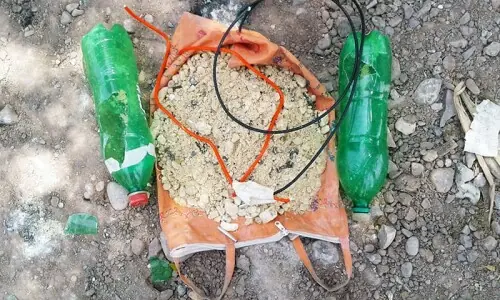
She warned that the threat of terrorism remained, but Punjab’s CTD and law-enforcement agencies had successfully foiled six attacks of late.
Published in Dawn, March 26th, 2025