0
0

ISLAMABAD: The United Nations Development Programme (UNDP) and the Chinese government have officially launched a project to strengthen Pakistan’s capacity to anticipate and respond to climate change impacts.
The Tailored Intelligence for Actionable Early Warning Systems (TIAEWS) project in Pakistan will be supported by China International Development Cooperation Agency through its Global Development and South-South Cooperation Fund (GDF).
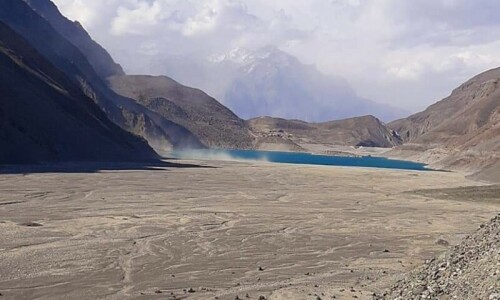
The TIAEWS project will strengthen the resilience of vulnerable communities in Gilgit-Baltistan by improving their ability to anticipate and respond to natural hazards. It will establish 70 Automatic Weather Stations, 70 Hydrometric Stations, and 70 Warning Posts, creating a robust early warning infrastructure.
The project will focus on three key areas: developing an integrated data management system for early warnings, strengthening community awareness and disaster preparedness, and improving governance and coordination for effective dissemination of critical warnings.
More than seven million people in Gilgit-Baltistan and Khyber Pakhtunkhwa remain at risk, making robust early warning systems (EWS) an urgent priority for protecting communities, livelihoods, and critical infrastructure.
Speaking at the project launch in Islamabad, Minister Counselor Yang Guangyuan at the Chinese Embassy emphasised the role of international partnerships in tackling climate change. He said that China recognises its historical responsibility in addressing the climate change crisis and has consistently taken the lead in supporting our partners.
Published in Dawn, March 8th, 2025