Thousands march in Bangladesh to mark student-led uprising that ousted PM Hasina

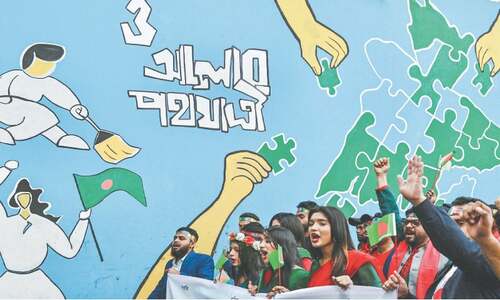
Thousands of Bangladeshis rallied at a ‘March for Unity’ in the capital Dhaka on Tuesday to mark the student-led uprising five months ago that led to the ouster of longstanding prime minister Sheikh Hasina and remember the more than 1,000 killed in the violence.
The Students Against Discrimination (SAD) group that led the protests, dropped a plan to call for changes to the country’s 1972 constitution at the rally, after the interim government announced on Monday that it would prepare a proclamation.
SAD says a ‘Proclamation of the July Revolution’ is essential to honour the sacrifice of the protesters who died or were wounded, and to serve as a document reflecting the people’s aspirations. Some political analysts had expressed concern that there could be fresh instability if students sought changes to the constitution without broader consensus.
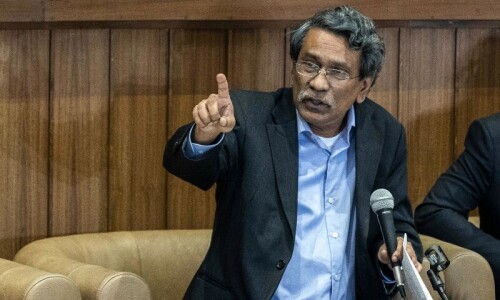
The press office of Nobel Peace Prize laureate Muhammad Yunus, who leads the interim government, said it would seek national consensus on a ‘Declaration of the July Uprising’, focusing on unity, state reform and the broader goals of the uprising. It expressed hope that a declaration would be finalised soon.
Groups of students arrived from across the country today and families of those killed in the unrest also joined the rally. They carried the national flag and chanted slogans against Hasina.
“My son Shahriar, a ninth-grade student, was killed [during the protests],” Abul Hasan told the rally. “Our tears will never stop, this pain will never end.”
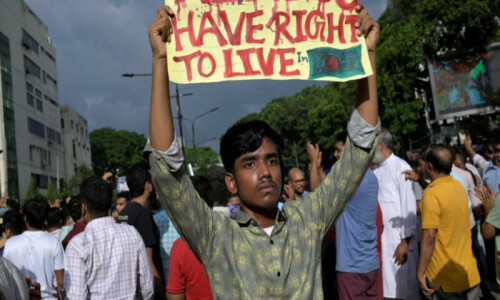
The protests were initially sparked by opposition to public sector job quotas. What started as a student-led movement quickly morphed into a broader, nationwide uprising against Hasina’s government.
The unrest reached its peak on August 5, when violence forced Hasina to resign and flee to India, just before protesters stormed her official residence. Over 1,000 people were killed during the protests, marking the country’s deadliest period since its 1971 independence war.
An interim government was formed, tasked with restoring stability and preparing elections. The interim administration includes two representatives of the students. Yunus has said elections could be held by the end of 2025.