China’s Xi warns ‘no winners’ in trade war with US


Chinese President Xi Jinping warned Tuesday that there would be “no winners” in a trade war with the United States and vowed the country would hit its growth goals for the year.
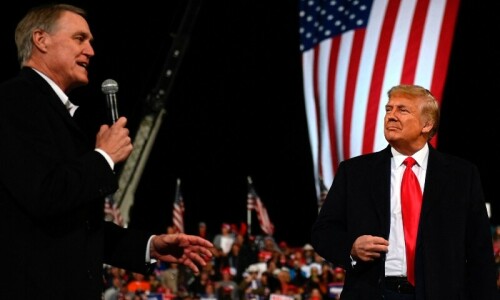
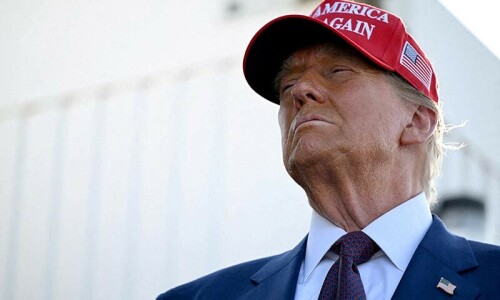
US President-elect Donald Trump — who returns to the White House next month — unleashed a gruelling trade war with China during his first term in office, lambasting alleged intellectual property theft and other “unfair” practices.
He has pledged to impose even higher tariffs on China after taking office on January 20, as Beijing grapples with a shaky post-pandemic economic recovery.
“Tariff wars, trade wars, and technology wars go against historical trends and economic rules, and there will be no winners,” Xi said of China-US relations while meeting several heads of multilateral financial institutions in Beijing, according to state broadcaster CCTV.
“China is willing to maintain dialogue with the US government, expand cooperation, manage differences and promote the development of China-US relations in a stable, healthy and sustainable direction,” said Xi.
Beijing is targeting annual growth this year of around five per cent, despite sluggish domestic consumption, high unemployment and a prolonged crisis in the vast property sector.
Xi also said during Tuesday’s meeting that China had “full confidence” in achieving its 2024 growth goal, state media reported.
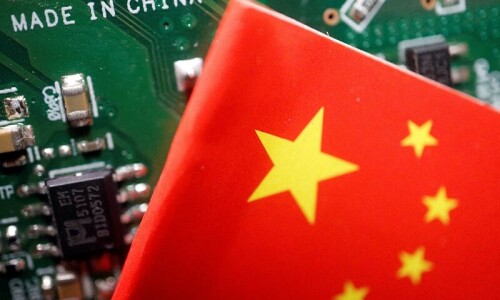
His remarks came as official data showed the country’s exports rose last month at a slower rate than expected while imports shrunk further, underscoring the challenges China is still facing.
The latest reading reinforced the need for more support a day after top officials pledged to bolster stuttering growth.
Trade war looms
Overseas shipments this year have represented a rare bright spot in the Chinese economy, with domestic spending mired in a slump and persistent woes in the property sector spooking investors.
Exports jumped 6.7pc year-on-year to $312.3 billion last month, China’s General Administration of Customs said.
But the figure was much slower than the 8.7pc anticipated by economists in a Bloomberg survey and well down from the 12.7pc leap in October, which was the strongest in more than two years.
The data showed exports grew 5.4pc on-year in Jan-Nov. “China’s exports were perhaps the biggest upside surprise for the economy in 2024,” wrote Lynn Song, chief economist for Greater China at ING.
This is “one of the main reasons China is set to achieve its ‘around five pc’ growth target” for this year, he added.
Analysts have suggested the recent surge in shipments is because foreign buyers fearing another trade standoff were racing to beat any possible tariffs on Chinese goods by Trump.
“We could see some frontloading of exports in the coming few months but momentum is likely to soften after this is done, unless the outcome of tariff negotiations is surprisingly positive,” wrote Song.
The 3.9pc drop in imports last month extended a slide in the previous month — and was much worse than the 0.9pc rise forecast — as domestic demand continues to be dampened by lacklustre consumer spending.
The readings come as investors closely watch signals from Chinese leaders, who are convening this week in Beijing for a series of key meetings on economic planning for the coming year.
The Politburo, China’s top decision-making body, on Monday urged “vigorous” support for consumption and a loosening of monetary policy in 2025.
However, observers are still waiting for the announcement of specific policies, particularly any measures to significantly bolster consumption.
Zhang Zhiwei, president and chief economist at Pinpoint Asset Management, said in a note that another key meeting on economic policy — expected to take place in the coming days — could “shed more light, particularly on the fiscal policy front”.