'Great respect' for Pakistan and they will stay involved, but we are going to do it by phone: Trump on Iran talks
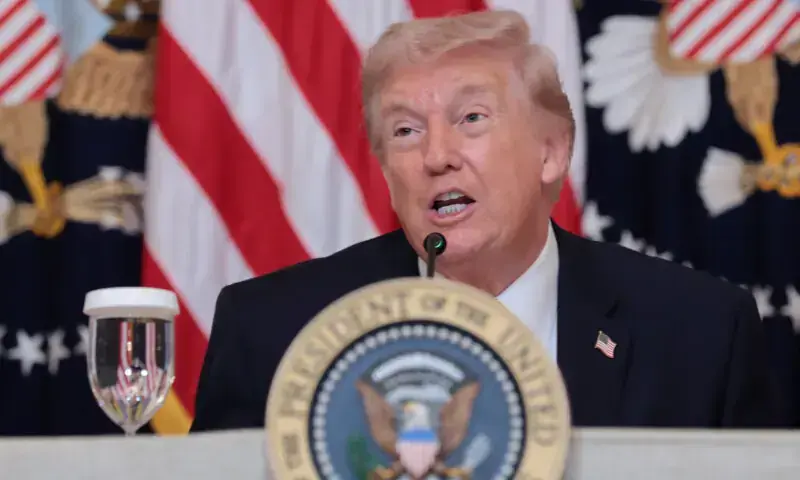


US President Donald Trump reiterated on Sunday that talks with Iran would be held remotely and commended Pakistan, which has been playing a mediatory role between Washington and Tehran, saying that Islamabad would “stay involved” in the process.
The US president’s remarks came during a phone interview with Fox News, where he said: “If they (Iran) want to talk, they can come to us, or they can call us; you know, there is a telephone … If they want they can talk, but we are not sending people to travel 18 hours to meet.”
His remarks come a day after he called off a planned visit of US Special Envoy Steve Witkoff and adviser Jared Kushner to travel to Islamabad for a second round of talks with Iran.
The first round of historic direct US-Iran talks was held in Islamabad on April 11 and 12, following a Pakistan-brokered ceasefire on April 8. It had ended without an agreement, but also without a breakdown.
Acknowledging Pakistan’s role in the process, Trump said, “Great respect for Pakistan because they have been terrific, they have really tried. So we are going to do it by telephone. If they (Iran) want, they can call us. But again, they know what has to be in the agreement; very simple, they cannot have a nuclear weapon. Otherwise, there’s no reason to meet.”
Trump also reiterated that the war could “come to an end very soon”, insisting that the US was “going to be very victorious”.
Pakistan’s civil and military leadership has been engaged in feverish diplomacy, seeking to bring the US and Iran back to the negotiating table after the first round of talks in Islamabad yielded no result.
The talks had taken place as a Pakistan-brokered ceasefire remained in place. It has now been extended by Trump until Tehran submits a “unified proposal” and “discussions are concluded, one way or the other”.
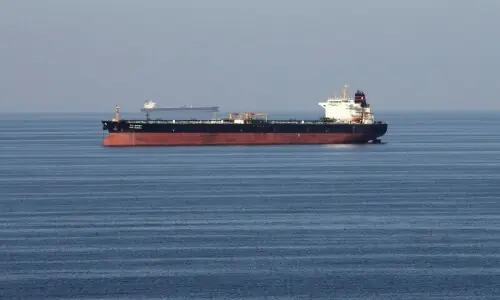
Meanwhile, the expected second round of negotiations witnessed a delay due to continued friction between the US and Iran, particularly regarding Iran’s closure of the Strait of Hormuz and the US blockade of Iran’s ports.
Unrestricted navigation through the Strait of Hormuz has emerged as one of the issues at the core of the impasse between the US and Iran. Another point of contention is Washington’s demand for long-term commitments on Iran’s nuclear programme, including constraints on enrichment and safeguards against weaponisation.