Over 11m children under 5 in peril as they breathe toxic air in Punjab, Unicef warns


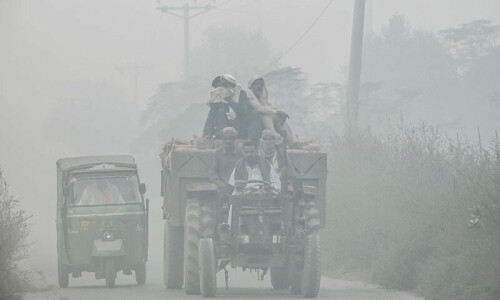
The United Nations Children’s Fund (Unicef) representative in Pakistan Abdullah Fadil on Monday called for urgent and greater efforts to reduce air pollution, as over 11 million children under five years of age were exposed to this smog in the worst affected districts of Punjab.
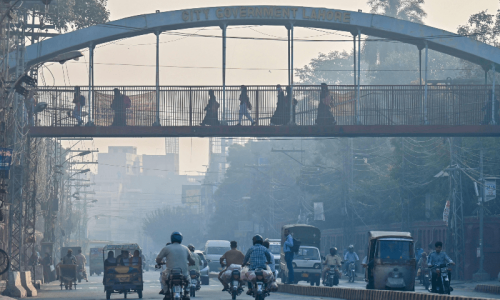
The air quality was declared a “calamity” in the province last month. Schools have closed in the main cities of Punjab until November 17 in a bid to lower children’s exposure to pollution.
Separately, the public has been barred from entering public parks, zoos, playgrounds, and museums until November 17 to reduce public exposure to smog.
The Air Quality Index for seven cities in Punjab was above 400 today, reaching 774 in Sialkot. The index ranks AQI above 300 as “hazardous” to health.

According to a statement issued in Islamabad by the UN Fund, air pollution levels broke records in Lahore and Multan last week, while several people, including dozens of children, were hospitalised.
“The air pollution is so severe it is now visible from space,” the statement said, citing a BBC report.
“I am extremely concerned about the well-being of young children who are forced to breathe polluted, toxic air. Over 11 million children under five years of age are exposed to this smog in the worst-affected districts,” the statement said while quoting Fadil, the Fund’s representative in Pakistan.
“Prior to these record-breaking levels of air pollution, about 12 per cent of deaths in children under five in Pakistan were due to air pollution,” Fadil said.
He said that the impact of the “extraordinary smog” would be assessed in time, however, “we know that doubling and tripling the amount of pollution in the air will have devastating effects, particularly on children and pregnant women”.
“Young children are most affected by air pollution because they have smaller lungs and lack the immunities that come with age,” Fadil said.
“The potential impact of air pollutants can be extreme on babies’ developing lungs and brains,” he said, adding that breathing in particulate air pollution can “damage brain tissue and undermine cognitive development — with lifelong implications and setbacks”.
“When pregnant women are exposed to polluted air, they are more likely to give birth prematurely, face respiratory issues, and their babies may have a low birth weight,” he added.
Fadil said that the “learning of almost 16m children in Punjab was disrupted” after schools were shut until November 17 in the province. The government has shifted to an online mode of learning.
He called on the government to ensure every child’s “right to clean air”.
“Reducing emissions from agricultural and industrial activities and encouraging clean and sustainable energy and transportation initiatives are no longer just climate change mitigation strategies, they are critical to protect children’s health today,” Fadil said.
He requested authorities to immediately “increase enforcement of existing regulations and further strengthen emissions regulations for longer-term protection”.
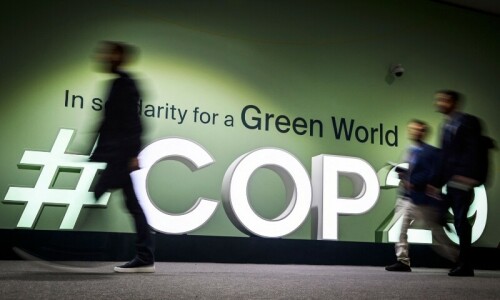
He said that COP29 provided a real opportunity for governments to “transform words into climate action before it’s too late”.
“We cannot afford to let our babies breathe toxic air. We cannot let the health, education and well-being of millions of children suffer,” he said, adding that we must take urgent action for the “sake of our children”.