ISLAMABAD: The poliovirus has reached two new districts as 26 more environmental samples have tested positive for the presence of the crippling disease.
The samples were collected from 20 districts, including Noshki, Balochistan, and Mianwali, Punjab, which had so far remained unaffected by the virus.
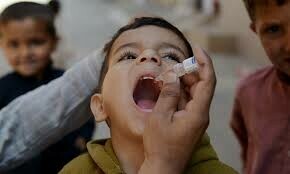
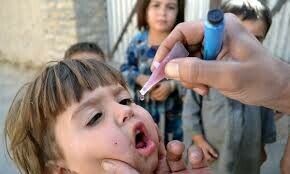
The presence of poliovirus has been detected amidst the ongoing nationwide vaccination campaign to immunise over 45 million children under five years.
The positive samples take the total number of districts to over 70 where the virus’ presence has been confirmed.
The Regional Reference Laboratory for Polio Eradication in Islamabad has confirmed the detection of wild poliovirus type 1 (WPV1) in the sewage samples collected from 26 sites in 20 districts.
These areas included Islamabad; Karachi’s East, Korangi, Central and South districts; Hyderabad; Kambar; Jamshoro; Mirpurkhas; Rawalpindi; Lahore; Attock; D.I. Khan; Lakki Marwat; Peshawar; Mianwali; Pishin; Noshki; Quetta; and Zhob.
A lab official said only Noshki and Mianwali reported their first positive environmental samples, while the presence of the virus had previously been confirmed in 18 other districts, either through the emergence of cases or positive or sewage samples.
“These areas are classified as WPV1-infected, highlighting the ongoing risk to children’s health and well-being across the country.”
Replying to a question, the official explained that if poliovirus is found in sewage, the sample is called positive and whenever a child was paralysed with the virus, it is called a positive case.
“A sewage water sample from an area is the basic parameter to determine if polio vaccination campaigns are being carried out successfully. After the detection of samples, polio campaigns are held immediately to eradicate the virus from the area,” he added.
A case of a child being paralysed can be reported from any city due to the movement of people, he said, adding if the virus is detected in sewage, it means the vaccination campaign failed to inoculate all children in the area.
The presence of the virus in sewage water also shows that the immunity level of local children has fallen, and they are at risk of the disease, the official said.
Pakistan has been struggling to contain the poliovirus as 43 children have been paralysed by the disease this year. Afghanistan is the only other country where polio remains endemic.
Published in Dawn, November 2nd, 2024