New Delhi bans fireworks to curb air pollution



India’s capital New Delhi on Monday ordered a “complete ban” on fireworks in a bid to curb air pollution in a city where levels are regularly ranked among the worst in the world.
The ban is the toughest in a string of restrictions on the hugely popular firecrackers — rules that have been widely flouted.
“There will be a complete ban on the manufacturing, storage, selling […] and bursting of all kinds of firecrackers,” the Delhi Pollution Control Committee said in a statement.
The order was made because of the “public interest to curb high air pollution”, it said.
It comes two weeks before Diwali, the Hindu festival of lights on November 1, where many see fireworks as integral to celebrations.
The spectacular and colourful festival symbolises the victory of light over darkness, a celebration of the Hindu goddess Lakshmi.
Previous restrictions in the megapolis of roughly 30 million people were routinely ignored.
Police are often reluctant to act against violators, given the strong religious sentiments attached to the crackers by Hindu devotees.
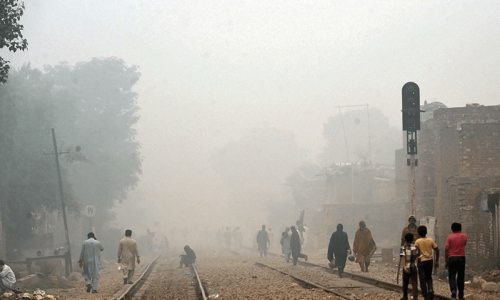
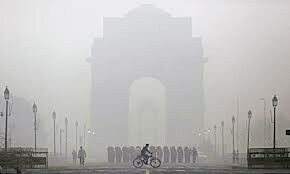
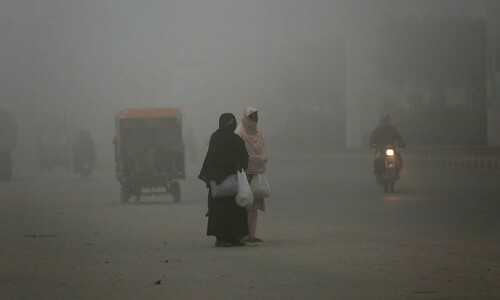
New Delhi is blanketed in acrid smog every autumn, primarily blamed on stubble burning by farmers in the neighbouring regions, but the surge in fireworks around Diwali compounds the problem.
Levels of fine particulate matter — cancer-causing microparticles known as PM2.5 pollutants that enter the bloodstream through the lungs — often hit more than 30 times the World Health Organisation’s danger limits in the city.
A Lancet report in 2020 said almost 17,500 people died in Delhi in 2019 because of air pollution.
In the past, fireworks were smuggled in across state boundaries or were available under the counter.
Residents then launched the noisy explosives in the middle of the night or the early hours of the morning to avoid trouble.
But this year, Delhi’s city authorities urged state police to enforce the ban, asking them to submit “daily action taken reports”.
The ban runs until the end of 2024.