ISLAMABAD: In a significant development, the government has agreed in principle to abolish the category of non-filers, mandating all individuals to route all transactions through banking channels to curb cash flows in the economy.
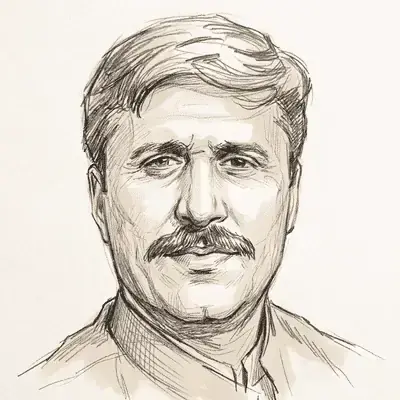
“We must do away with the concept of non-filers. There is agreement to eliminate this idea,” FBR Chairman Rashid Mahmood Langrial told the representatives of all main industries during a consultative meeting on the organisation’s planned transformation plan, on Tuesday.
He said non-filing is a fraudulent method established domestically, adding that the FBR will generate additional data to assess individuals’ financial transactions. At the registrar’s office, property transactions will be categorised into two groups — eligible and ineligible.
The FBR invited the businesspeople from the main industries to a briefing on its transformation plan. It was also attended by Minister of State for Finance and Revenue Ali Pervez and IRS Member Policy Dr Hamid Ateeq Sarwar.
Individuals will be required to route transactions through banking channels to curb cash flows in economy
Briefing the participants, Mr Langrial said the FBR has no choice but to eliminate the issue of non-filing or nil-filing of returns. He cautioned that if the situation does not improve, it will be impossible for the government to collect taxes, even with new taxation measures.
He said high tax rates would discourage enterprises from remaining in Pakistan, as seen in the textile industry, adding that elevated tax rates for the salaried class will drive highly skilled individuals to leave the country.
Khurram Mukhtar, patron-in-chief of the Pakistan Textile Exporters Association, suggested conducting a comprehensive mapping of the manufacturing landscape across the country and all sectors through both digital and desktop surveys. This process will allow for the collection of sectoral data on capacities, output, and the nature of businesses, which is essential for informed decision-making and an accurate assessment of tax potential.
There is a need to distinguish between compliant and non-compliant taxpayers. Compliant taxpayers will receive all benefits, and the compliance base will expand, leading to a decrease in rates.
The meeting was informed that the FBR would establish disincentives for non-compliant taxpayers, starting with registration and linking the availability of facilities such as investments and the creation of bank accounts to the filing of tax returns. There will be no monetary transactions, and the source of funds will have to be established through various digital interventions.
In 2023, non-filers paid Rs20 billion in tax, while the FBR received over Rs423bn in unclaimed withholding taxes. This is a grey area that needs to be traced and identified.
The reforms will include a cap on cash cheque issuance. The FBR will provide information to all banks based on individuals’ declared incomes in tax returns and establish a specific limit; any financing transactions that exceed this threshold will be reported to the FBR. This system is expected to be implemented in a few months.
Ziad Bashir of Gul Ahmad advised the FBR to properly educate the public about the proposed measures. He said the FBR should not act hastily and that any changes should be effectively communicated to citizens.
The meeting highlighted the potential tax gap across 20 sectors, with the largest gap reported in the textile sector at Rs700bn, followed by Rs100bn in the cement sector. However, representatives from the textile association disagreed with the FBR’s calculations regarding the tax gaps.
Sheikh Waqar Ahmed of Nestle Pakistan recommended to the FBR the proper implementation of current legislation. However, many businesspeople attributed the majority of the suggested actions in the FBR reform plan to the government’s political determination to reduce the cash economy and address the tax gap.
Published in Dawn, September 25th, 2024