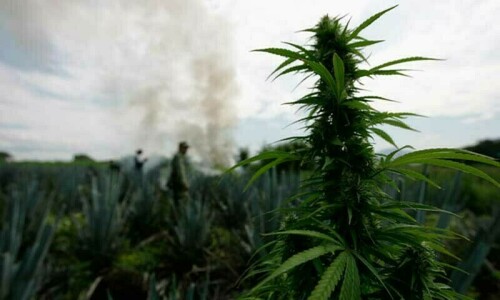
The National Assembly on Friday passed a bill to regulate the cultivation of cannabis, and the sale of derivatives of the plant for medicinal and industrial use.
On Monday, the Senate Standing Committee on Science and Technology approved the country’s first-ever Cannabis Authority Bill after a delay of over four years due to disputes between ministries over its jurisdiction.
The Senate committee unanimously passed “The Cannabis Control and Regulatory Authority Bill 2024” with amendments that seek the inclusion of two senators — one of whom must be a woman — in the board of governors of the authority, along with other revisions to the bill’s clauses.
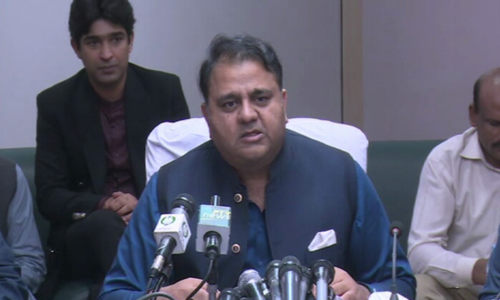
The idea of legalising the production of medicinal hemp in Pakistan was floated in September 2020 by Fawad Chaudhry, the then-minister for science and technology, but the Ministry of Narcotics Control had raised objections, claiming that the matter fell under its jurisdiction.
Later, the Ministry of Food Security expressed concerns about approving research and pilot cultivation of medicinal hemp, citing potential negative impacts on food cultivation in the country.
On Friday, the NA passed the bill to “regulate the cultivation of cannabis plant, extraction, refining, manufacturing and sale of derivatives of the plant for medicinal and industrial use.”
The Act, known as the “Cannabis Control and Regulatory Authority Act, 2024”, extends to the whole of Pakistan and will come into effect immediately as soon as it receives the president’s assent.
Per the text of the approved bill, cannabis was defined as “resin (charas) that is, the separated resin, whether crude or purified, obtained from the cannabis plant or leaves of the cannabis plant and also includes concentrated preparation and resin known as hashish oil or liquid hashish.”
Cannabis was further defined as “the flowering or fruiting tops of the cannabis plant excluding the seed and leaves when not accompanied by the tops from which the resin has not been extracted, by whatever name they may be designated or known and include all forms known as bhang, siddhi or ganja.”
Upon the commencement of this act, an authority will be established (Cannabis Control and Regulatory Authority) to carry out the purposes of the act under the administrative control of the concerned division.
The primary purpose of the authority will be to “ensure public health and safety by regulating the cultivation, extraction, refining, manufacturing, and sale of cannabis and its derivatives in accordance with international obligations and best practices.”
A further aim was to reduce illicit trafficking by legalising and regulating the cultivation and production of cannabis in designated areas to provide better margins directly to farmers and mitigate social harm.
According to the approved bill, another one of its objectives was to “promote (the) local development of cannabis-based medicinal and industrial products, export generation and attracting foreign direct investment (FDI).”
This legislation aims to establish a clear regulatory framework to generate government revenue through taxation and to promote the development of a supply chain for industrial and medicinal cannabis, the bill stated.
Among other members, the board of governors of the authority must include two members of the National Assembly, including one woman, nominated by the Assembly speaker.
Functions of the board include taking policy decisions and advising the federal government on all matters relating to policy on cannabis, including recommending addition, alteration, or omission in the policy under the act.
They also include issuing, supervising, and monitoring licenses, as well as issuing “the minimum and maximum area on which cannabis should be allowed to a licensee.”
Further listed in the functions of the board was “enabling research and development in the area of cannabis plant cultivation, production and manufacture of cannabis plant derivative.”