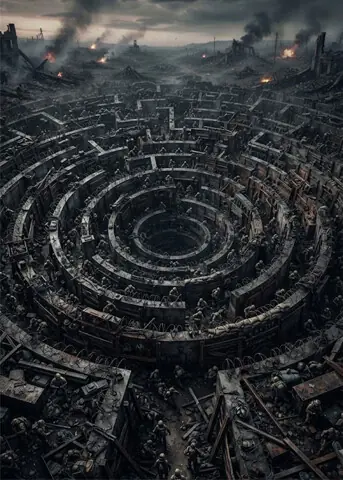
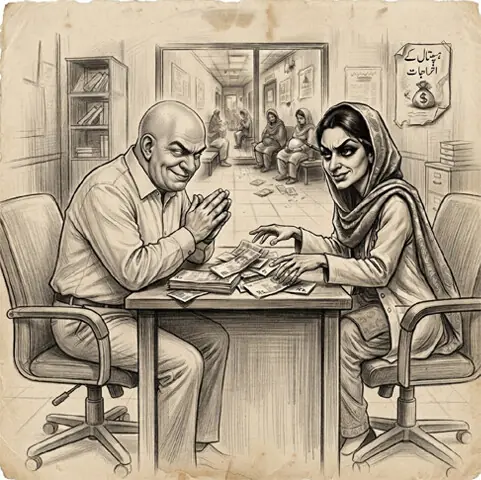
DOMESTIC violence is a pervasive issue in many Pakistani households. According to a Human Rights Commission of Pakistan (HRCP) report, over 90 per cent women in Pakistan had faced domestic violence in their lifetime by the year 2020.
Frankly speaking, men in Pakistan generally believe that violence is the only way to assert control and manage the family. Women are expected to accept their fate, keep their mouths shut and endure violence in the hope of making their marriages work. Consequently, the cycle of trauma continues, affecting the next generation.
Unfortunately, women’s own inability to stand up for themselves in the nae of the so-called family’s pride causes them significant mental distress. They lose interest in everything, and their children suffer alongside them. The children get traumatised when they see their father beating their mother. This situation causes mental disorders in children. Moreover, seeking therapy is often considered rather detrimental to the family’s reputation.
Children’s exposure to such violence creates an environment of fear and uncertainty, resulting in chronic anxiety, depression as well as post-traumatic stress disorder (PTSD).
Furthermore, they often exhibit extreme behavioural problems, developmental delays, low self-esteem and difficulty in forming healthy relationships as well as emotional dysregulation.
Addressing all these issues requires a supportive environment and access to mental health services, which are often stigmatised in our households. To break the cycle of domestic violence, we must educate communities about its long-term effects, promote healthy relationships, and establish accessible support systems, like hotlines, shelters and counselling services. Moreover, strengthening and enforcing laws to protect victims and hold perpetrators accountable is crucial.
We need to destigmatise mental health issues, provide counselling for victims and children, and launch countrywide women empowerment programmes.
Encouraging community leaders to speak out as well as implementing school programmes on healthy relationships and conflict resolution are also vital. By taking these steps, we can create a future where the vicious cycle of domestic violence no longer prevails and everyone can live in a safe, and supportive environment.
Rubab Saeed
Karachi
Published in Dawn, August 14th, 2024