Protesters seek Hasina’s resignation; 20 injured in fresh Bangladesh clashes

DHAKA: Twenty people were injured in clashes and police fired rubber bullets and tear gas to disperse crowds as thousands protested in the Bangladeshi capital and other parts of the country on Friday, calling on Prime Minister Sheikh Hasina to resign.
The clashes came after thousands of people heeded a call by six top members of the group which organised protests last month, to return to the streets on Friday, defying torrential monsoon rains.
The six activists were released from detention on Thursday.
“We want justice for the murders of our sisters and brothers,” a leader of Students Against Discrimination, the group behind the demonstrations, said in a statement.
“Why are our brothers in graves and the killers outside?” one crowd chanted outside Dhaka’s Baitul Mukarram Mosque, the country’s largest.
Students Against Discrimination had demanded the release of its detained leaders, three of whom were forcibly checked out of a hospital and taken away by plainclothes police last week.
Their release was a sign the government was hoping to “de-escalate tensions” with protesters, University of Oslo researcher Mubashar Hasan said on Thursday.
But other demands by the students remain unmet, including a public apology from Hasina for the violence and the dismissal of several of her ministers.
They have also insisted that the government reopen schools and universities around the country, all of which were shuttered at the height of the unrest.
‘She must go’
Many protesters have gone further, demanding Hasina step down altogether. “She must go,” writer and activist Arup Rahee said after a rally in the capital. “There will be no justice for the student murders if she remains in power.”
Internet outage monitor Netblocks reported that service providers had again restricted access to Facebook, WhatsApp and Telegram, all used last month to organise protests.
“We were instructed by the authorities to block Facebook,” said an official from one phone company.
Hasina, 76, has ruled Bangladesh since 2009 and won her fourth consecutive election in January after a vote without genuine opposition.
Her government is accused by rights groups of misusing state institutions to entrench its hold on power and stamp out dissent, including the extra-judicial killing of opposition activists.
With around 18 million young Bangladeshis out of work, according to government figures, the quota system rankles graduates who face an acute employment crisis.
Critics say the quota system was used to stack public jobs with loyalists to the ruling Awami League.
Excessive and lethal force
Last month’s protests had remained largely peaceful until attacks on demonstrators by police and pro-government student groups.
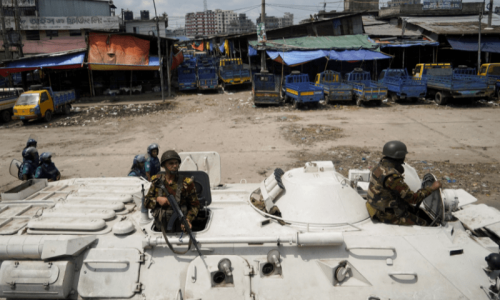
Hasina’s government eventually imposed a nationwide curfew, deployed troops and shut down the nation’s mobile internet network for 11 days to restore order.
European Union foreign policy chief Josep Borrell this week condemned the police clampdown that followed “excessive and lethal force against protesters and others”, urging an independent investigation into their conduct.
Published in Dawn, August 3rd, 2024