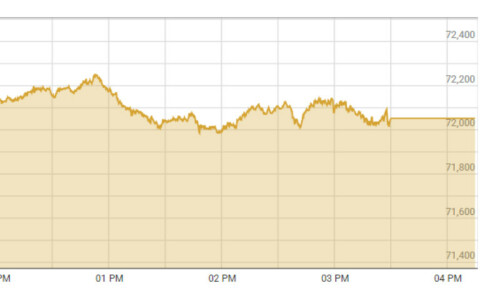
KARACHI: Domestic bonds have proven more attractive to foreign investors than the record-breaking equity market during the first nine days of the current month.
The State Bank of Pakistan (SBP) reported on Wednesday that foreign investments in treasury bills up to April 9 amounted to $20 million, surpassing the inflow for equities.
This scenario is noteworthy since the equity market boom has attracted both domestic and foreign investors, yet treasury bill inflows in April remain higher. Over the nine days of April, the inflow for the equity market was $16.9 million.
The shift was particularly notable in the second half of the current fiscal year when foreign investors turned towards domestic bonds. Treasury bills offer up to a 21 per cent return, making them highly attractive to both domestic and foreign investors.
Foreign investment in bonds reaches $20m in first nine days of April
Bankers attribute the influx of foreign investment in treasury bills to stability in the exchange rate. They noted that the highest inflows in T-bills occurred after the emergence of Covid-19 in 2019, when more than $4 billion returned to their origin. Since then, investors have remained cautious, but uncertainties on the political and economic fronts have also played a key role in keeping foreign investors away from the bonds market.
During July-April 9, FY24, total inflows in T-bills reached $183.6m, with most coming in the second half of the current financial year. Domestic financial institutions and the corporate sector have invested about Rs4.8 trillion in government bonds so far. The cut-off yield has remained around 21pc, indicating no signs of an interest rate cut in the next monetary policy.
SBP data shows that inflows during July-April 9, FY24 for the equity market amounted to $360.6m, maintaining the equity market at record levels. International rating agencies have yet to improve the country’s rating since its degradation during the current fiscal year.
Bankers believe that positive economic developments, particularly constructive talks with the International Monetary Fund (IMF), could attract more foreign investment in domestic bonds.
Pakistan expects final approval for the third tranche of $1.1bn of the Stand-By Arrangement with the IMF.
Finance Minister Mohammad Aurangzeb, who led the delegation to Washington to negotiate with the IMF, expressed hope for new loan from the IMF, with another meeting expected in May this year.
Bankers suggest that if the interest rate is slashed by 100 to 200 basis points in the next monetary policy,
the cut-off yield on domestic bonds would remain attractive to foreign investors. Stable exchange rates are also required to maintain investment attractiveness, they added.
Published in Dawn, April 25th, 2024